Alliance logo

Electronic Parts Cleaning and PCB Cleaning

Precision Cleaning Solutions for Electronics and Electrical Manufacturing

Electronic parts cleaning is an important step in electronics manufacturing, assembly, and component processing. Flux residues, solder paste, oils, particulate, and other process contaminants can remain on printed circuit boards (PCBs) and electronic assemblies after manufacturing.

If these residues are not properly removed, they can affect downstream processes and, depending on the application, contribute to electrical or reliability concerns.

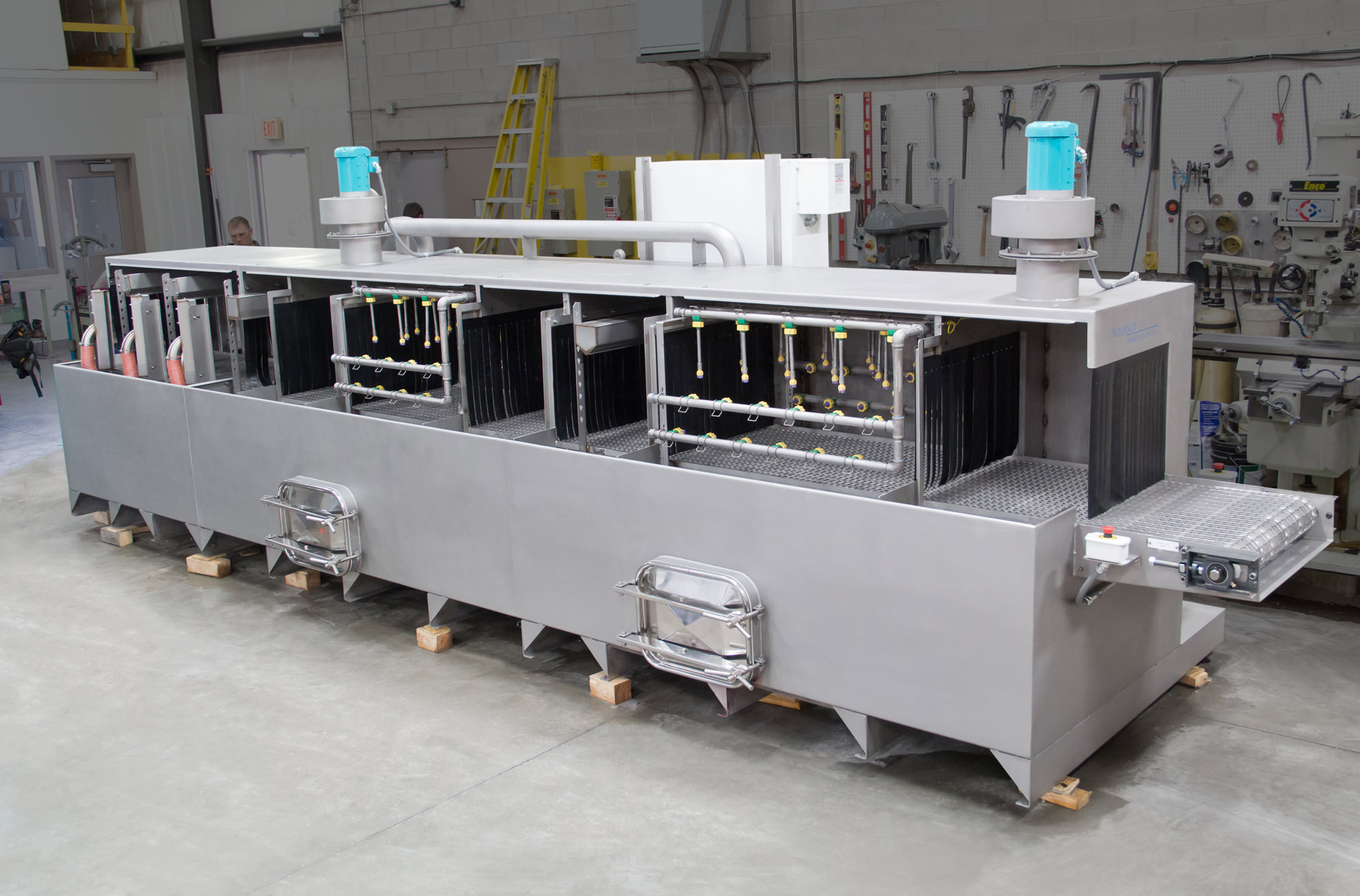
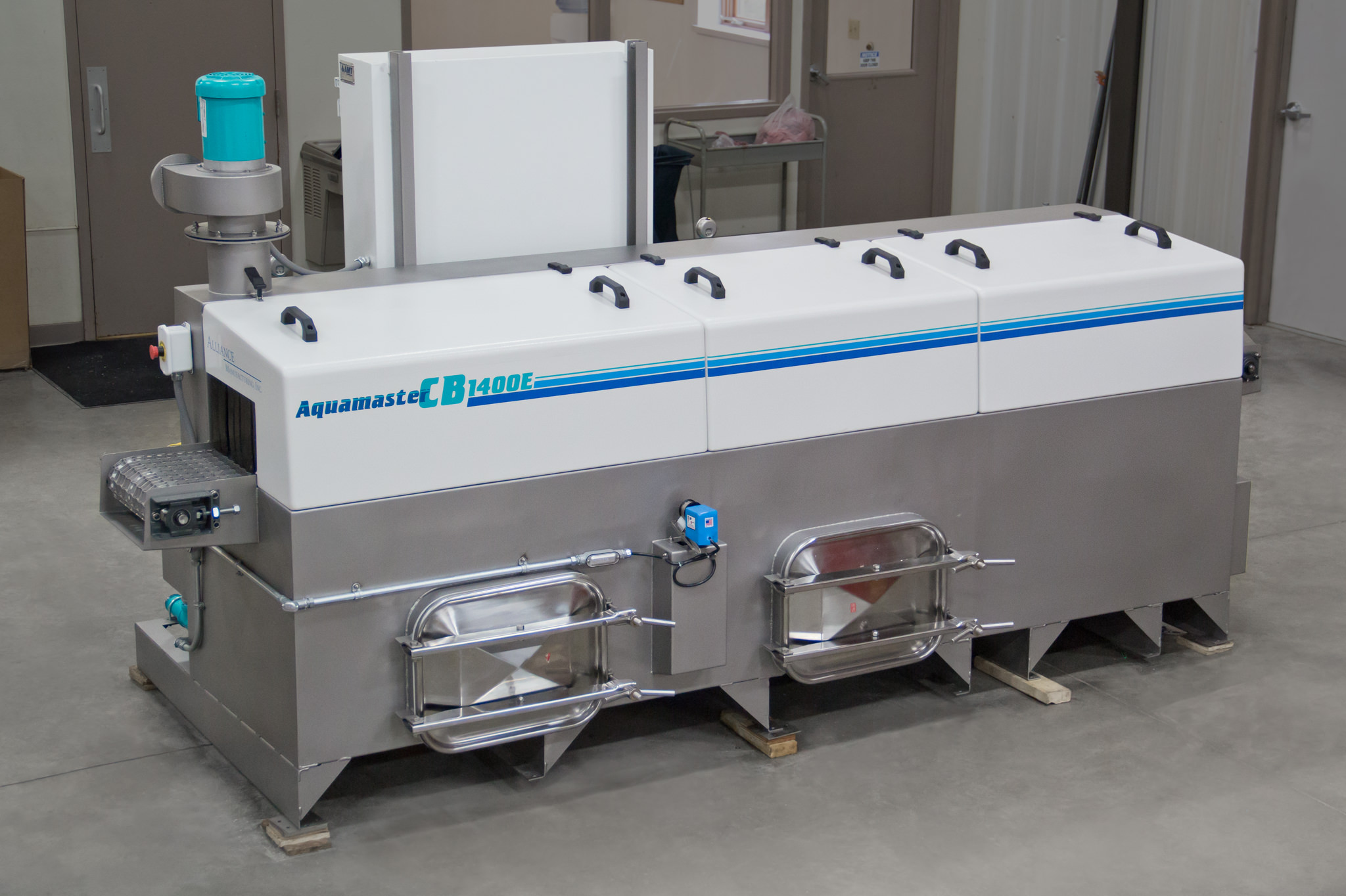
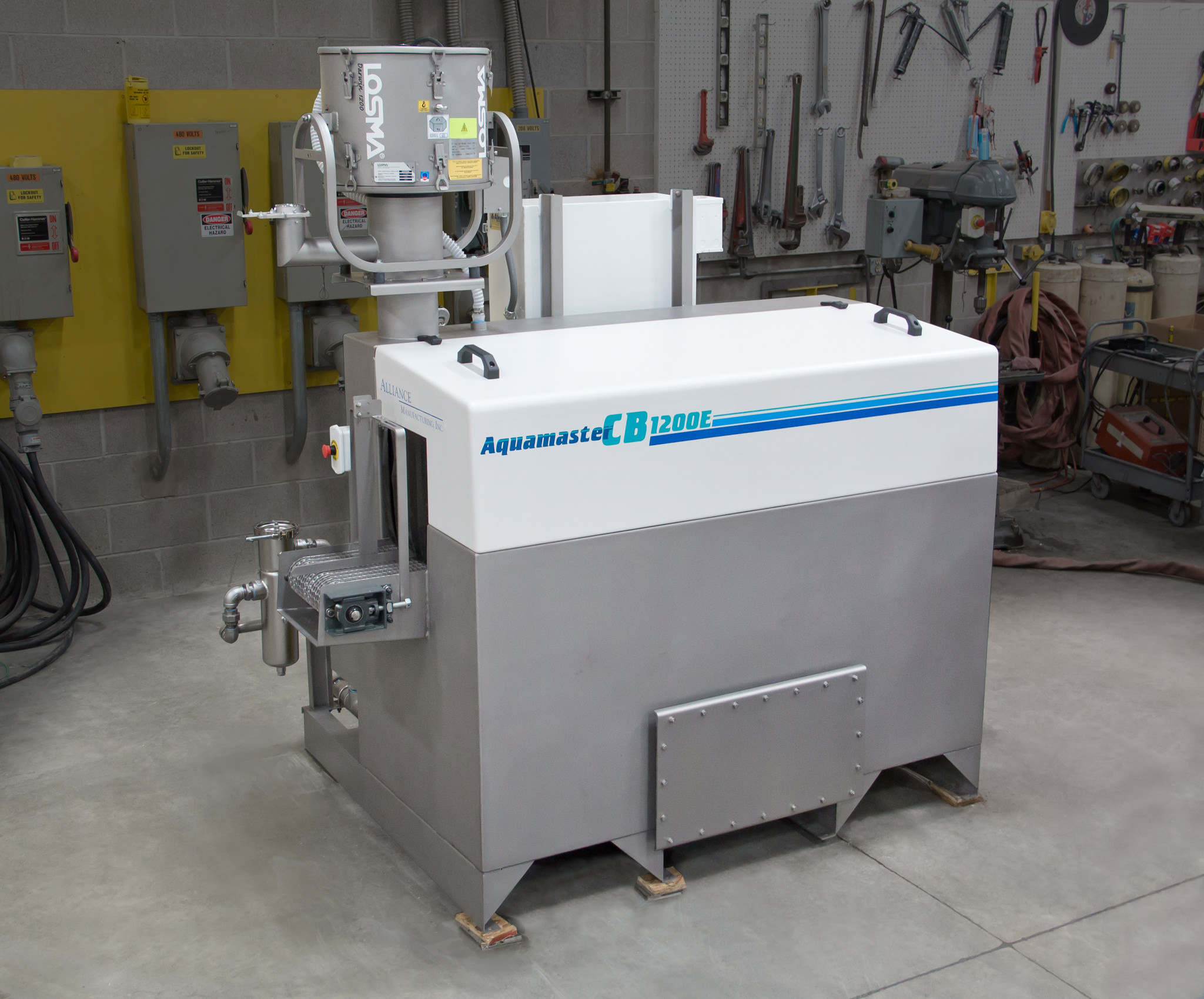
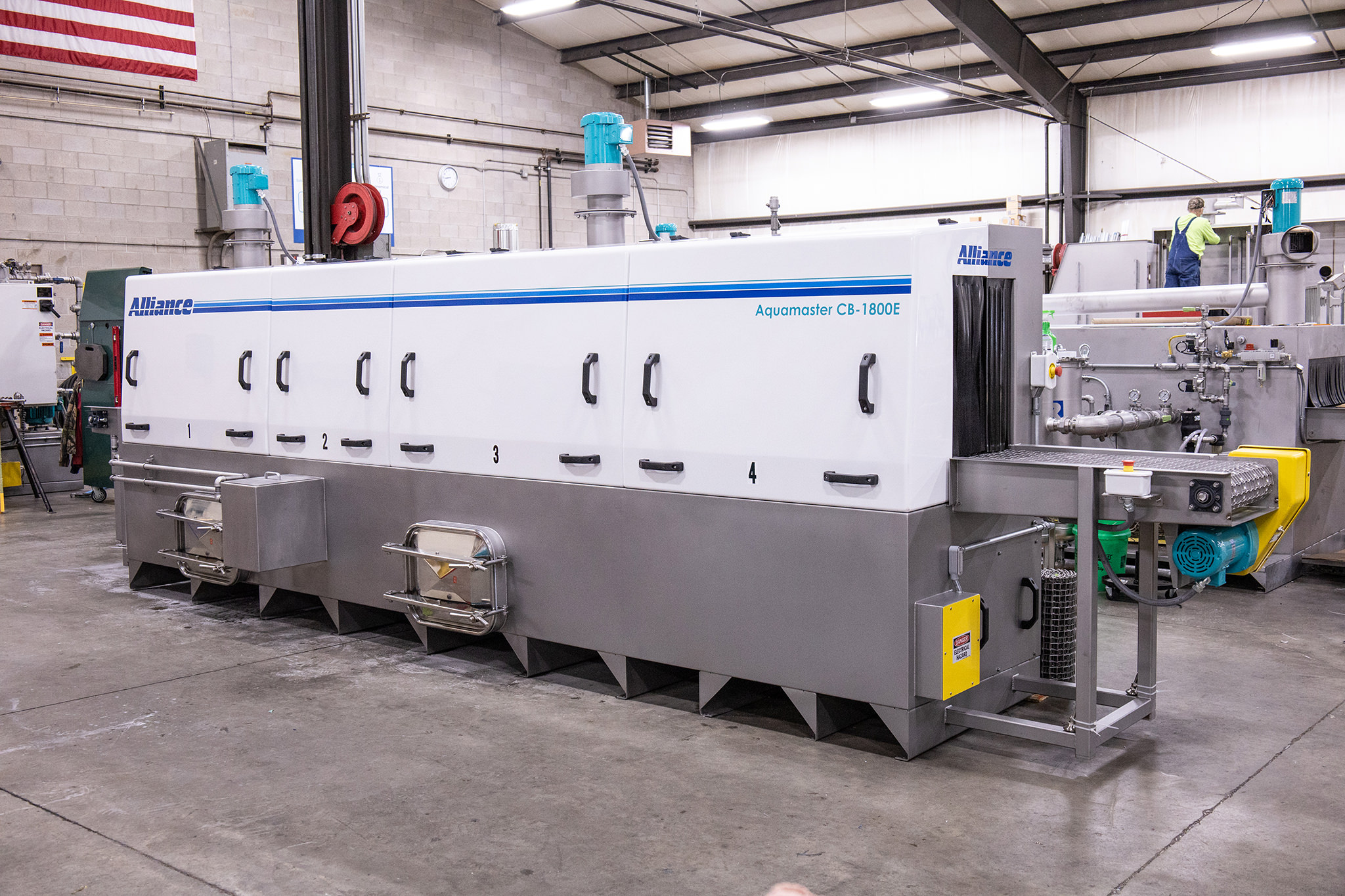
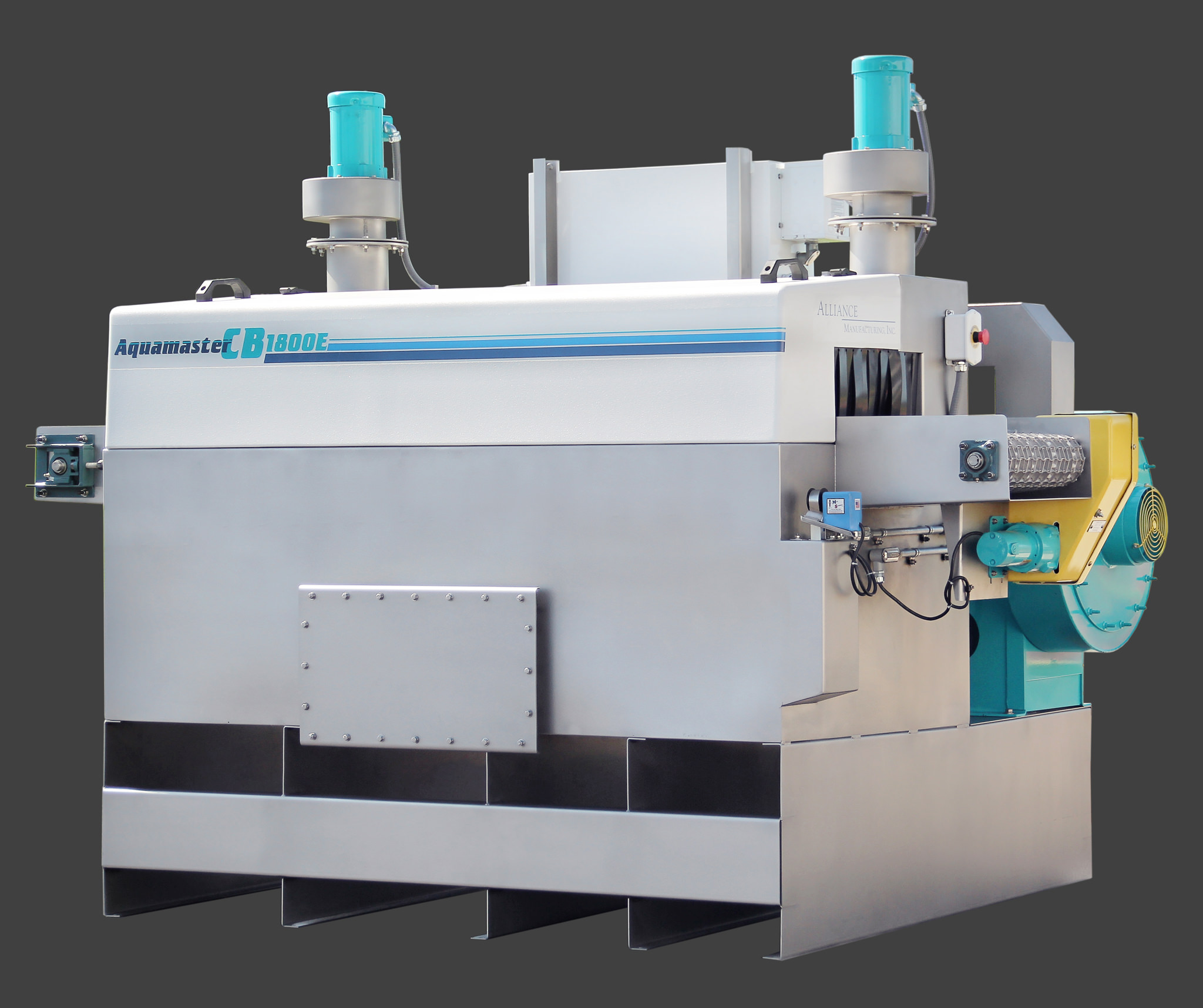
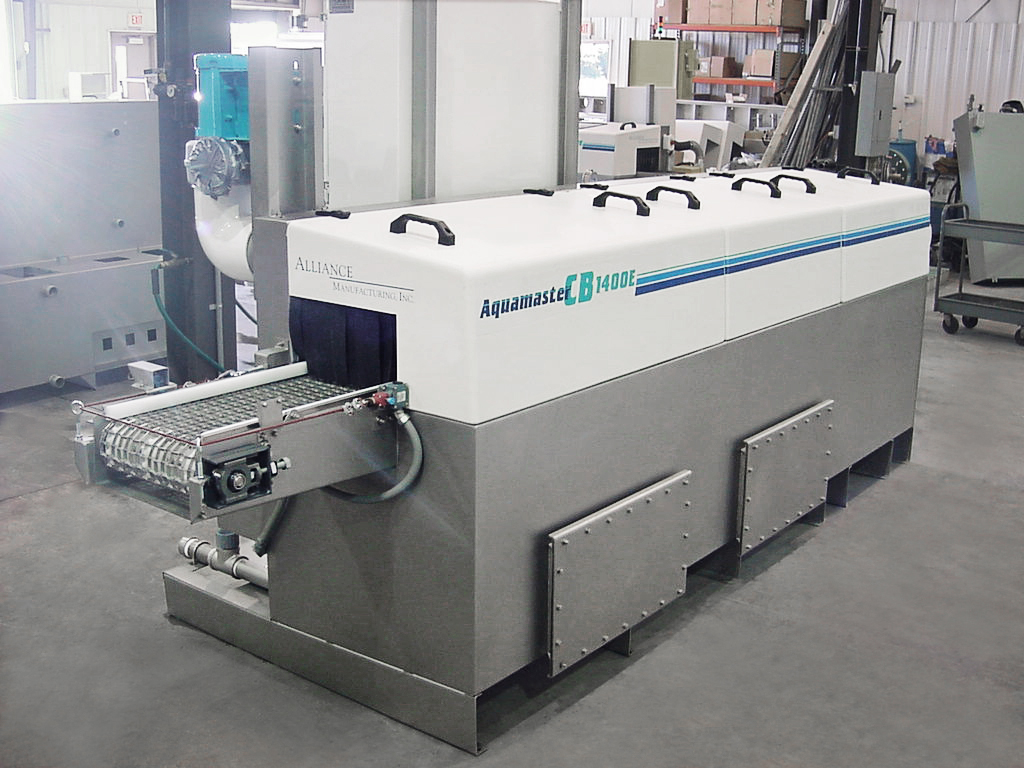
Alliance Manufacturing engineers and manufactures aqueous cleaning systems for PCBs, electronic assemblies, and electrical components. Our Nu/Clean™ systems can be configured for inline or batch processing, with controlled washing, rinsing, filtration, and drying based on the application.

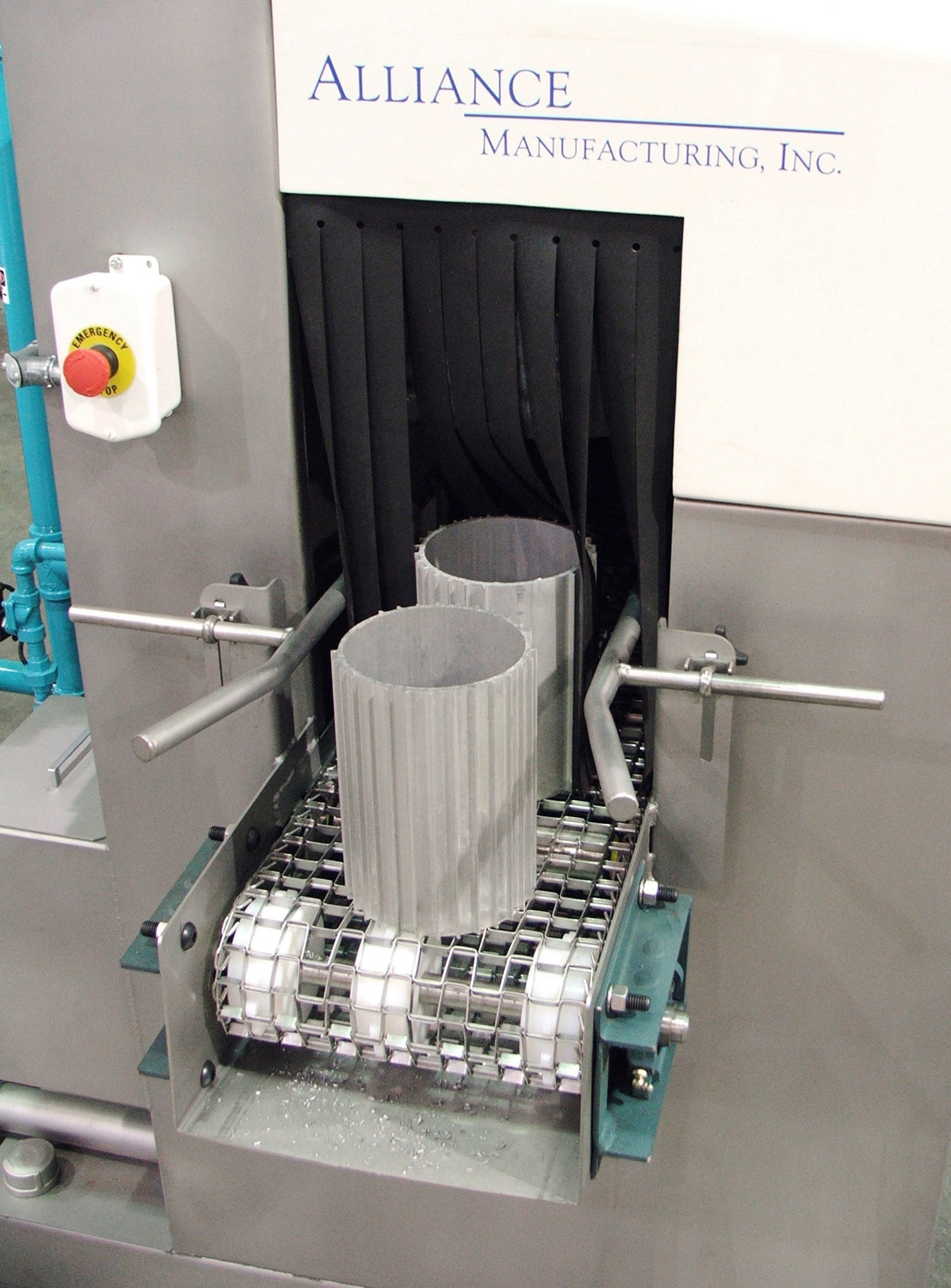
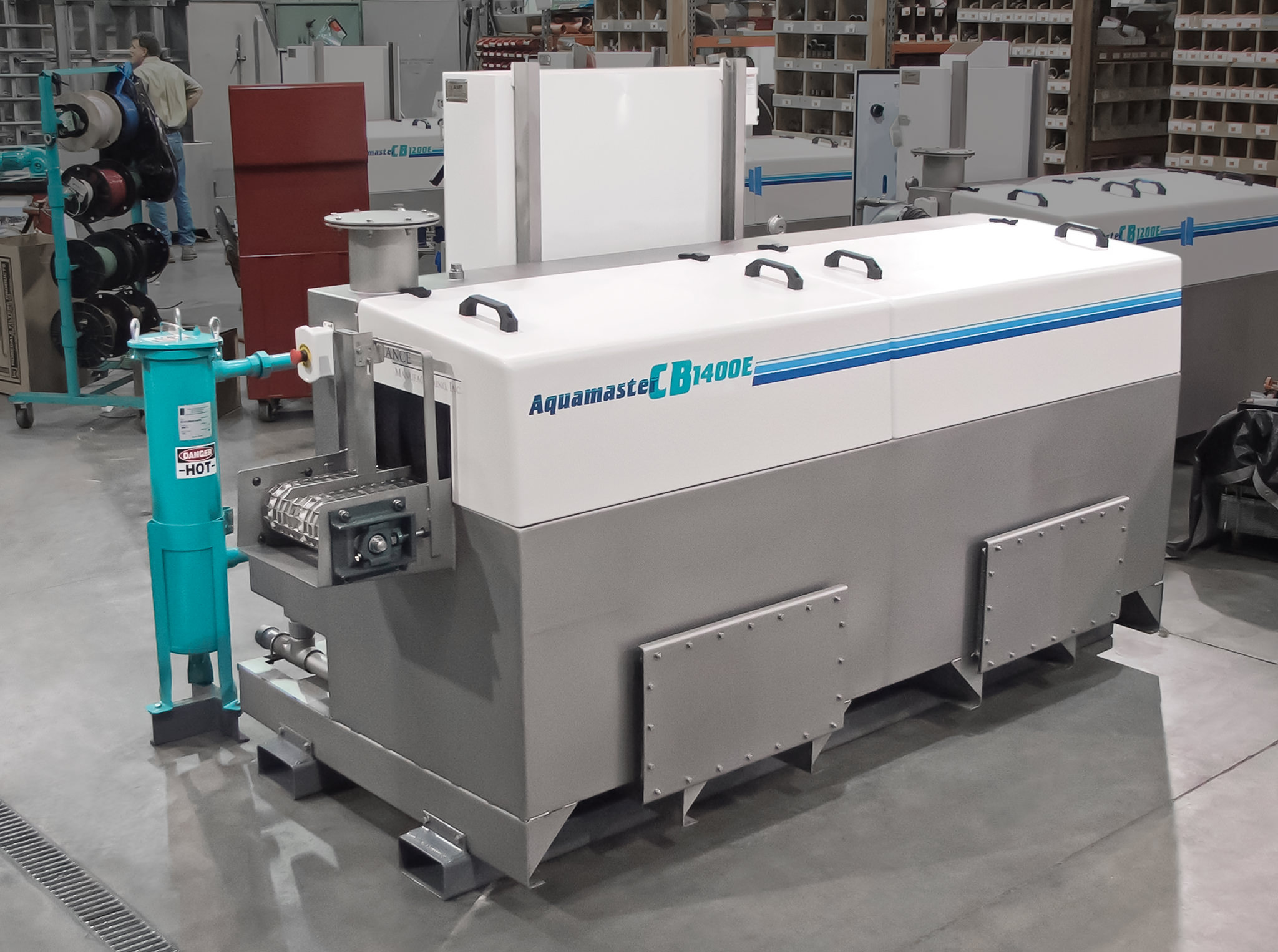
Cleaning reels, flanges, and cylinders for wire spools
previous arrow
next arrow
 
Cleaning reels, flanges, and cylinders for wire spools
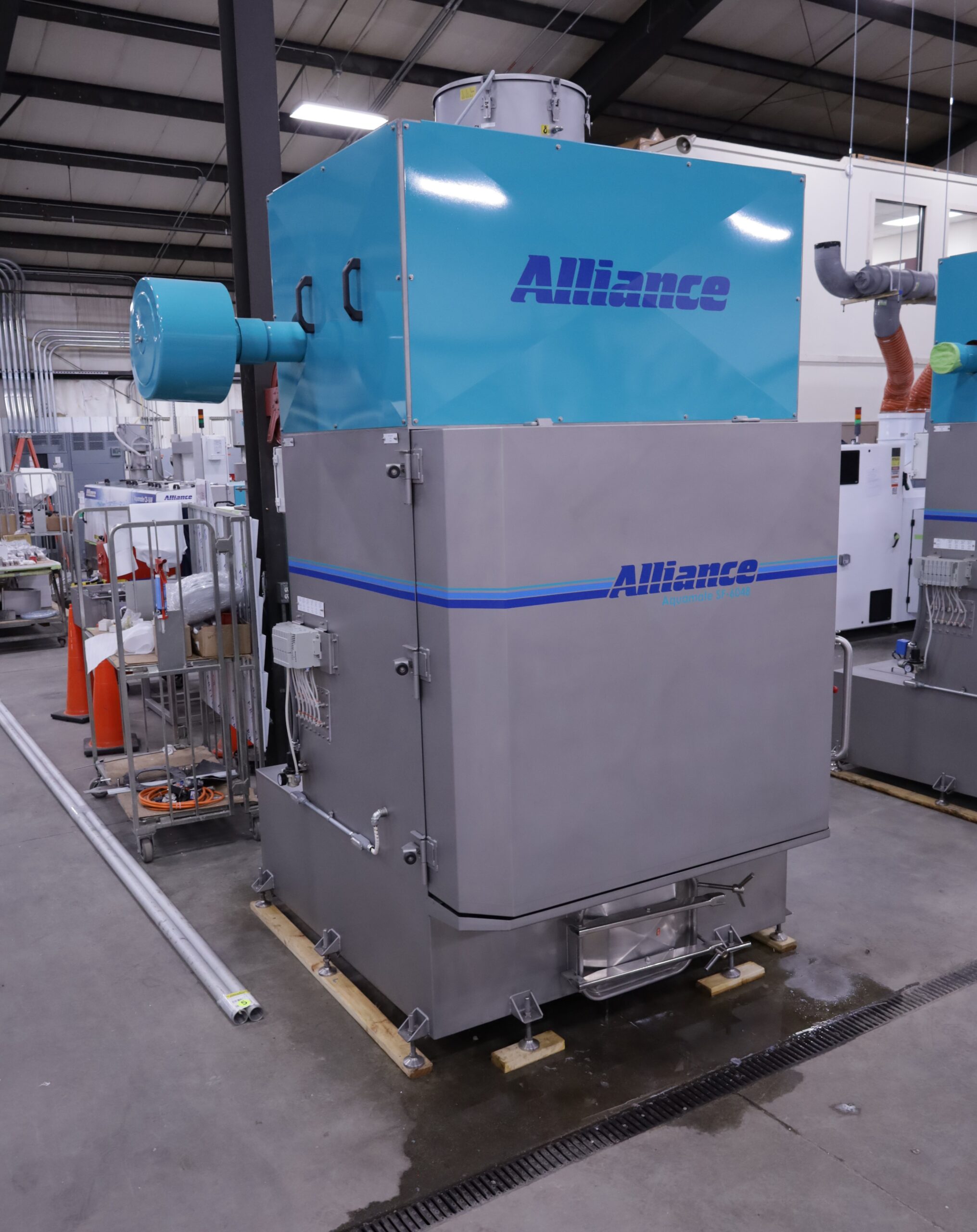
Cleaning castings and formed rails in a parts washer
Cleaning electrical outlet boxes on a parts washer
Cleaning machine for electric motor parts
Cleaning electric motor end covers
Batch washer for electric motor remanufacturing
previous arrow
next arrow

Electronics and Electrical Components We Clean

Alliance cleaning systems can be configured for a variety of components, including:

  • Printed circuit boards and PCB assemblies
  • Electronic subassemblies
  • Electrical enclosures and junction boxes
  • Controls and receptacles
  • Motor and power supply components
  • Servo and spindle components
  • Manufacturing fixtures and tooling

The cleaning process is selected around the component’s geometry, contamination, production volume, material, and required cleanliness.

PCB Cleaning and Flux Removal

Modern PCB assemblies can contain densely populated components and low-standoff areas where flux and other residues are difficult to remove with conventional spray cleaning alone.

Effective PCB cleaning can combine controlled chemistry, spray pressure, fluid flow, immersion, filtration, rinsing, and drying to reach difficult areas.

Alliance’s Nu/Clean™ systems incorporate Flood Box™ technology, which combines turbulent immersion with high-pressure spray to improve cleaning penetration around densely populated and low-standoff PCB assemblies.

A recent Alliance application involved cleaning high-density electronic assemblies contaminated with flux residues, chemistry dragout, and process contaminants trapped beneath and between components. The system combined Flood Box immersion, heated washing and rinsing, air knives, and multi-stage heated drying.

Precision Cleaning and Ionic Contamination

Electronic assemblies can accumulate flux, solder residue, oils, fingerprints, particulate, and other manufacturing contamination. The appropriate cleaning process depends on the contaminant and the sensitivity of the component.

Ionic residues can be an important consideration because, under certain conditions, remaining contamination may contribute to electrical leakage or other reliability concerns.

For applications where ionic or other cleanliness levels are important, the cleaning process should be established around the component, manufacturing process, and applicable cleanliness requirements.

Alliance can help evaluate washing, rinsing, filtration, and drying requirements to develop a repeatable cleaning process.

Drying Electronic Components and PCBs

A clean electronic assembly must also be properly dried. Moisture can remain beneath components, around assemblies, or in other areas that are difficult to reach.

Depending on the application, Alliance systems can incorporate:

  • Air knives
  • Heated forced-air drying
  • Multiple drying stages
  • Controlled drying temperatures
  • IR-assisted drying
  • DI water rinsing

Drying is designed as part of the complete cleaning process to minimize residual moisture and prevent recontamination after washing.

Inline and Batch PCB Cleaning Systems

The appropriate cleaning system depends on production volume, component configuration, and process requirements.

Inline PCB Cleaning Systems

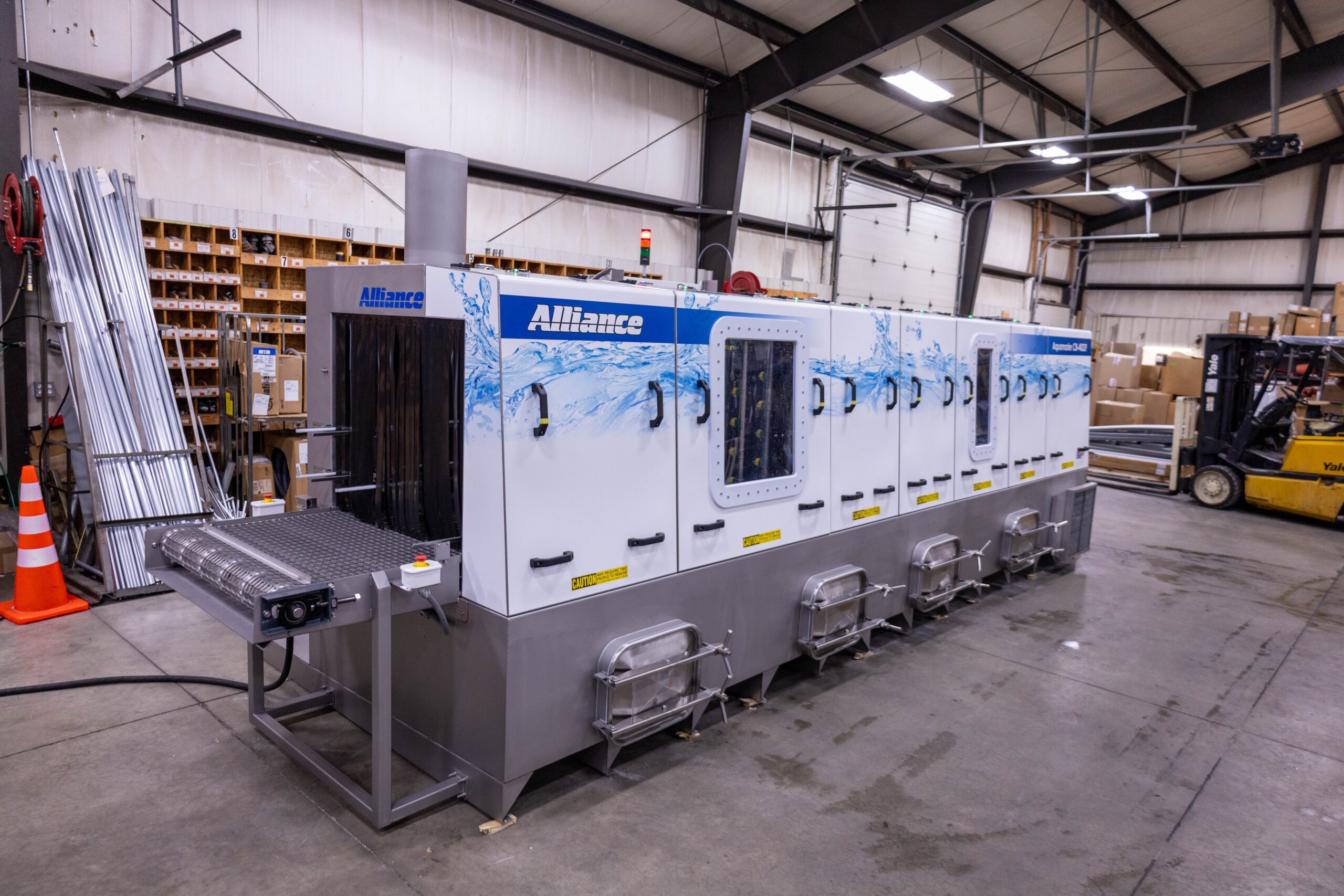
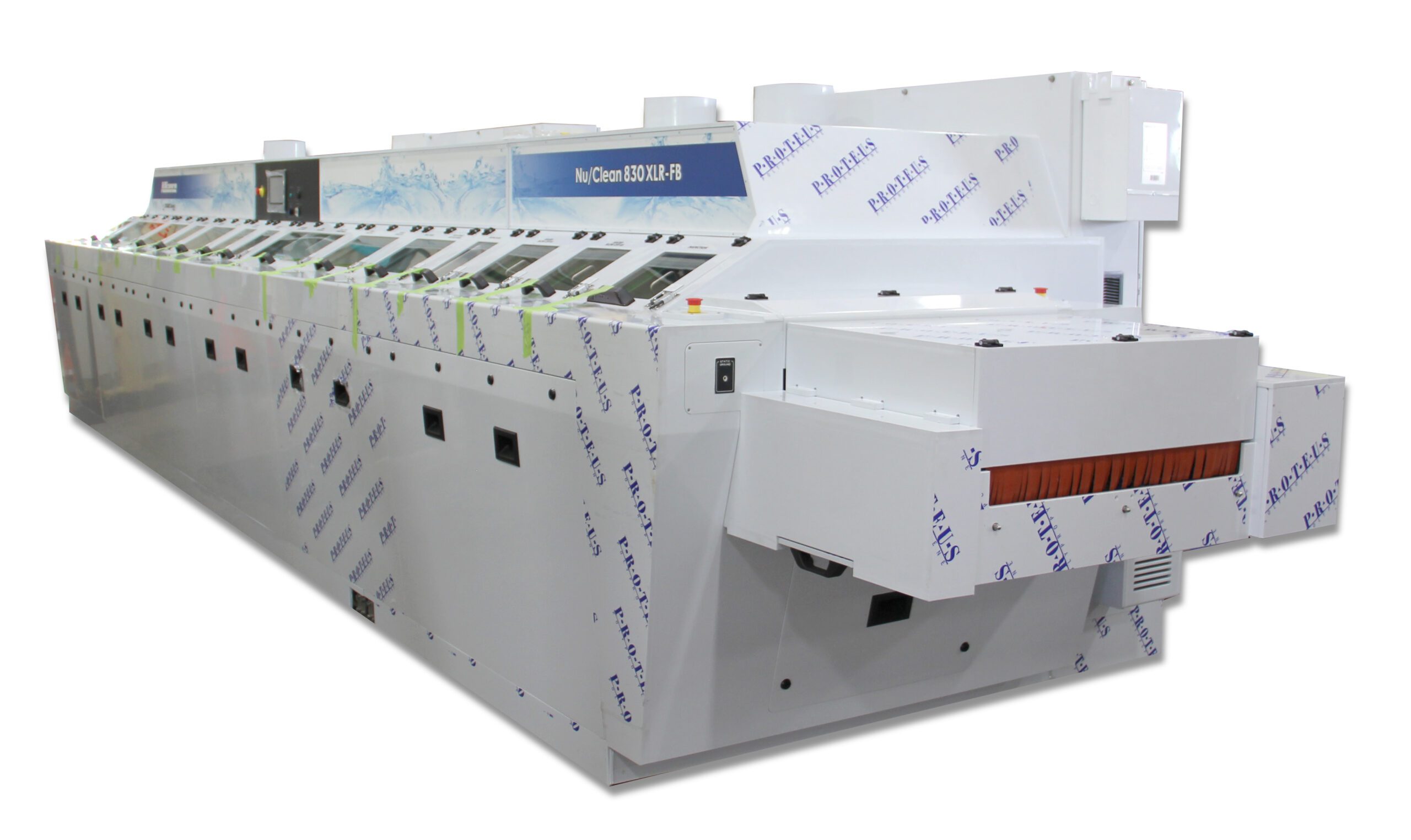
Inline systems are designed for continuous production, moving assemblies through controlled wash, rinse, and drying stages. Nu/Clean™ inline systems can be configured with Flood Box technology and programmable process controls.

Batch PCB Cleaning Systems

Batch systems provide flexibility for lower-volume production, different board configurations, maintenance operations, and applications where continuous processing is not required.

The Nu/Clean AquaBatch™ combines aqueous washing, rinsing, and forced-air drying with programmable process controls. Optional process features can be configured for difficult residues such as baked-on flux and solder paste.

Cleanliness Testing

Cleaning effectiveness should be verified using an appropriate method for the application. Depending on the required cleanliness criteria, testing may evaluate:

  • Ionic contamination
  • Particulate contamination
  • Surface residue
  • Water-break performance
  • Surface energy
  • Visual cleanliness

Alliance provides cleanliness testing and application evaluation to help manufacturers determine the appropriate cleaning process and equipment configuration.

Electronics Cleaning Applications

Alliance has engineered cleaning systems for applications including:

  • High-density PCB assemblies
  • AI processor circuit boards
  • Electronic assemblies
  • Refurbished PCBs
  • Servo and spindle components
  • Power supply units
  • Electrical housings and fixtures
  • Battery production components
  • Manufacturing tooling

Featured Electronics Cleaning Application

A recent high-density PCB application required continuous inline cleaning of assemblies with low-standoff components. Flux residues and process contaminants were trapped beneath and between components.

Alliance supplied a Nu/Clean 824 XLR-FB inline aqueous cleaning system incorporating Flood Box technology, heated wash and rinse stages, air knives, and multi-stage heated drying.

Talk to an Electronics Cleaning Engineer

Every electronic parts cleaning application has different requirements. Alliance can evaluate your component, contamination, production volume, cleanliness requirements, and drying needs to help determine the right cleaning system

Electronic Parts Cleaning FAQs

Electronic components and PCB assemblies can accumulate flux, solder residue, oils, particulate, and other manufacturing contaminants. Cleaning helps prepare assemblies for downstream processes and supports consistent product quality.

PCB cleaning removes flux, solder residue, oils, particulate, and other contaminants from printed circuit boards and electronic assemblies using an appropriate cleaning process.

Flux can be removed using an aqueous cleaning process selected for the flux chemistry and assembly. Spray, immersion, controlled chemistry, rinsing, and drying can be combined to clean difficult areas.

Yes. Systems can be configured for densely populated and low-standoff assemblies. Flood Box technology combines immersion and pressurized spray to improve cleaning fluid penetration around difficult-to-reach areas.

PCBs can be dried using air knives, heated forced air, multiple drying stages, and, where appropriate, IR-assisted drying.

The right system depends on the component, contamination, cleaning chemistry, production volume, cleanliness requirements, and drying needs. Alliance can evaluate the application and recommend an inline or batch cleaning system.

Electronic and Electrical Case Studies