Marine Parts Cleaning
Industrial Parts Cleaning for the Marine Industry
Marine manufacturers and engine producers need reliable cleaning processes for components ranging from small machined parts to large engine castings. Manufacturing contamination such as oil, grease, machining coolant, metal chips, carbon, salt residue and other debris can interfere with assembly, finishing, inspection and component performance.
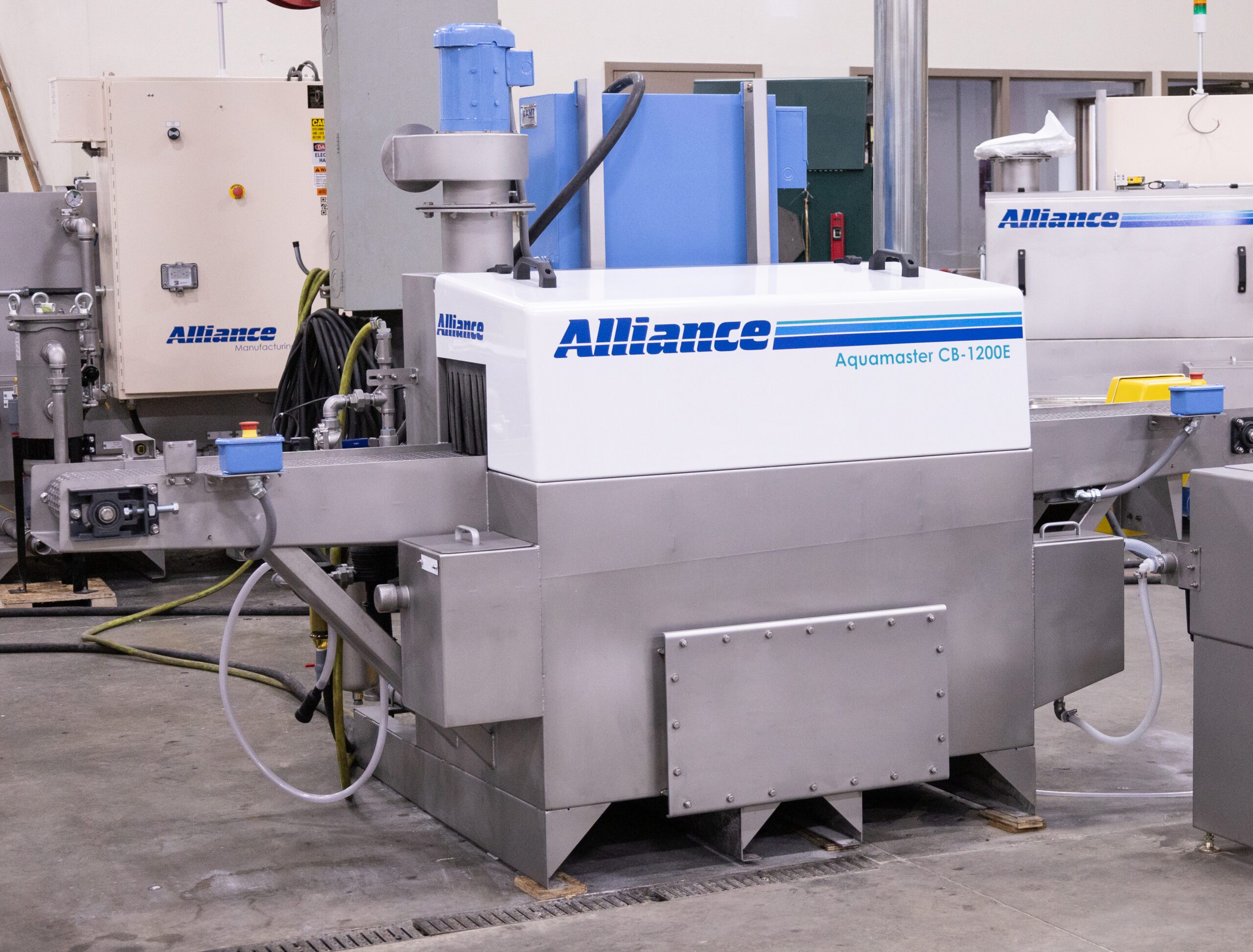
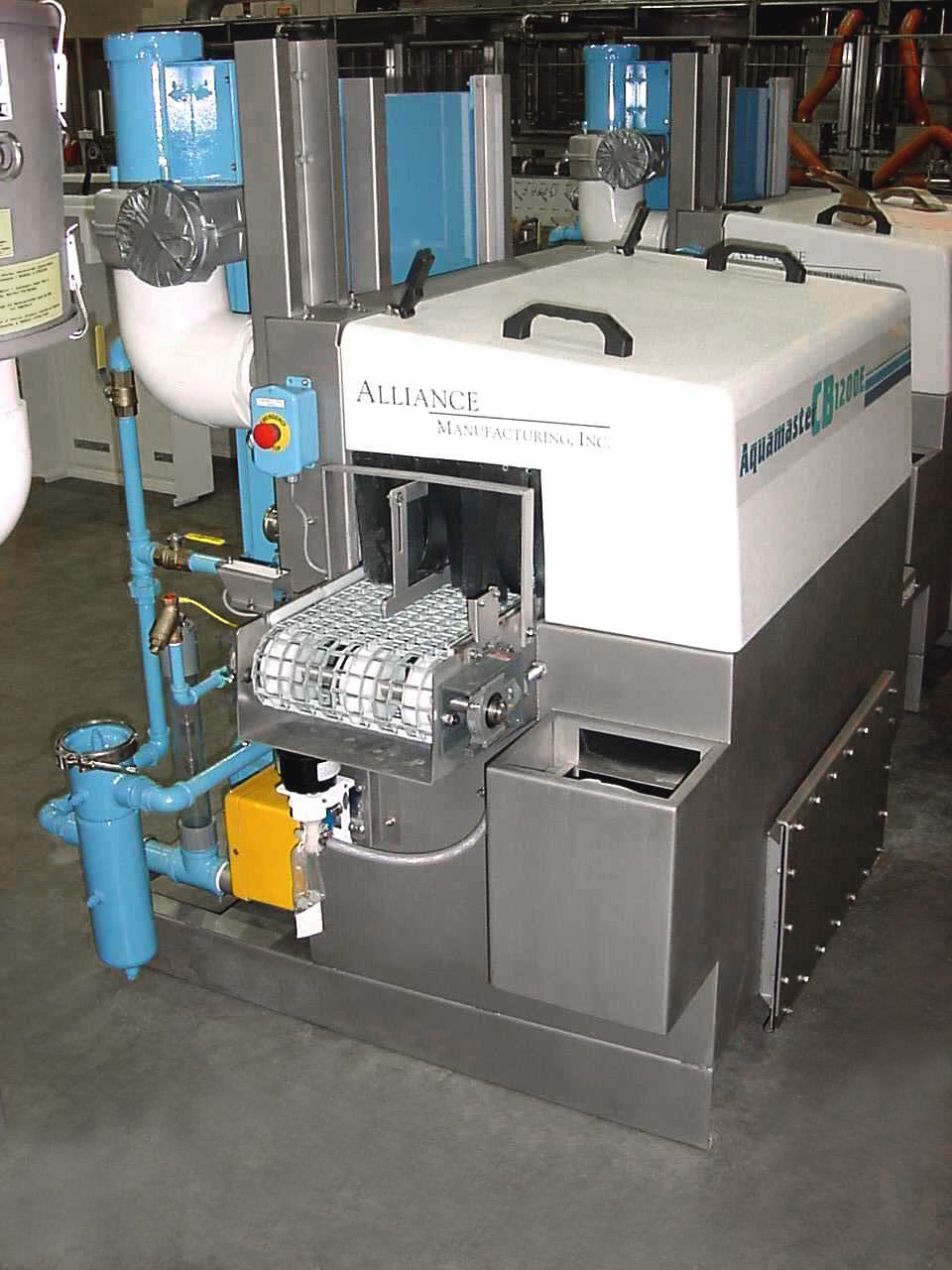
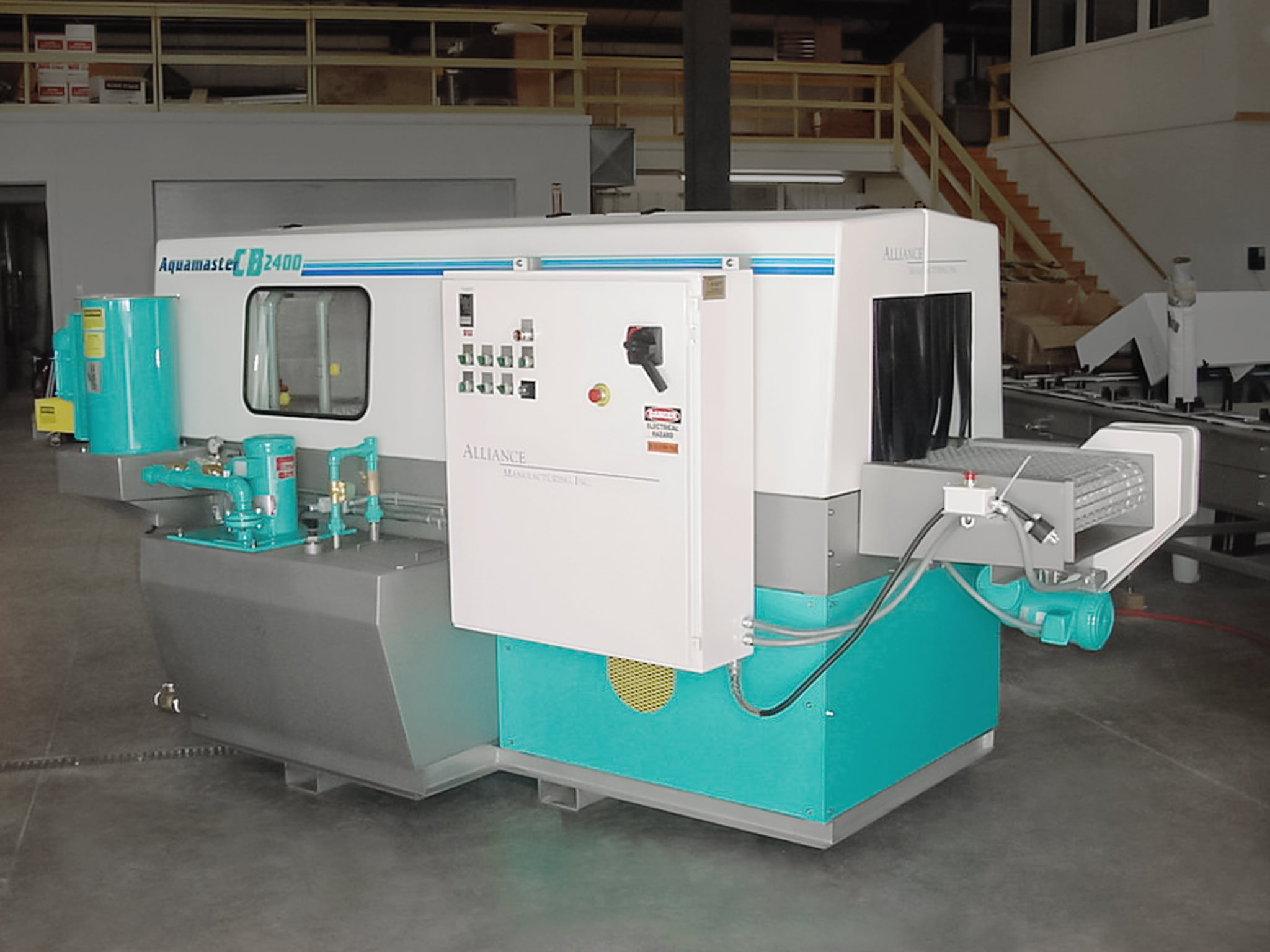
Alliance Manufacturing designs and builds industrial parts washers for marine applications, including boat and marine engine components. Systems can be configured for aqueous washing, rinsing, blowoff and drying based on the component, contamination, cleanliness requirements and production rate.
Alliance has experience cleaning aluminum marine engine castings, outboard motor components, stainless steel parts, drive shafts and other marine components.




Marine Parts Cleaning Applications
Marine manufacturing involves components with different materials, geometries and cleaning requirements. The appropriate marine parts washer should be selected based on the part and the required cleaning result.
Marine Engine Parts Cleaning
Marine engines contain numerous components that may require cleaning before assembly or subsequent manufacturing operations. These include:
- Engine blocks
- Cylinder heads
- Crankcases
- Gear cases
- Drive shafts
- Housings
- Castings
- Machined components
Alliance developed a conveyorized cleaning system for a marine engine manufacturer producing aluminum blocks, heads and crankcases. The components were contaminated with machining coolant and chips and required removal of chips from external surfaces and cleaning of internal cavities within the specified requirements. The system processed approximately one part every two minutes using wash and ambient blowoff.
Outboard Motor Parts Cleaning
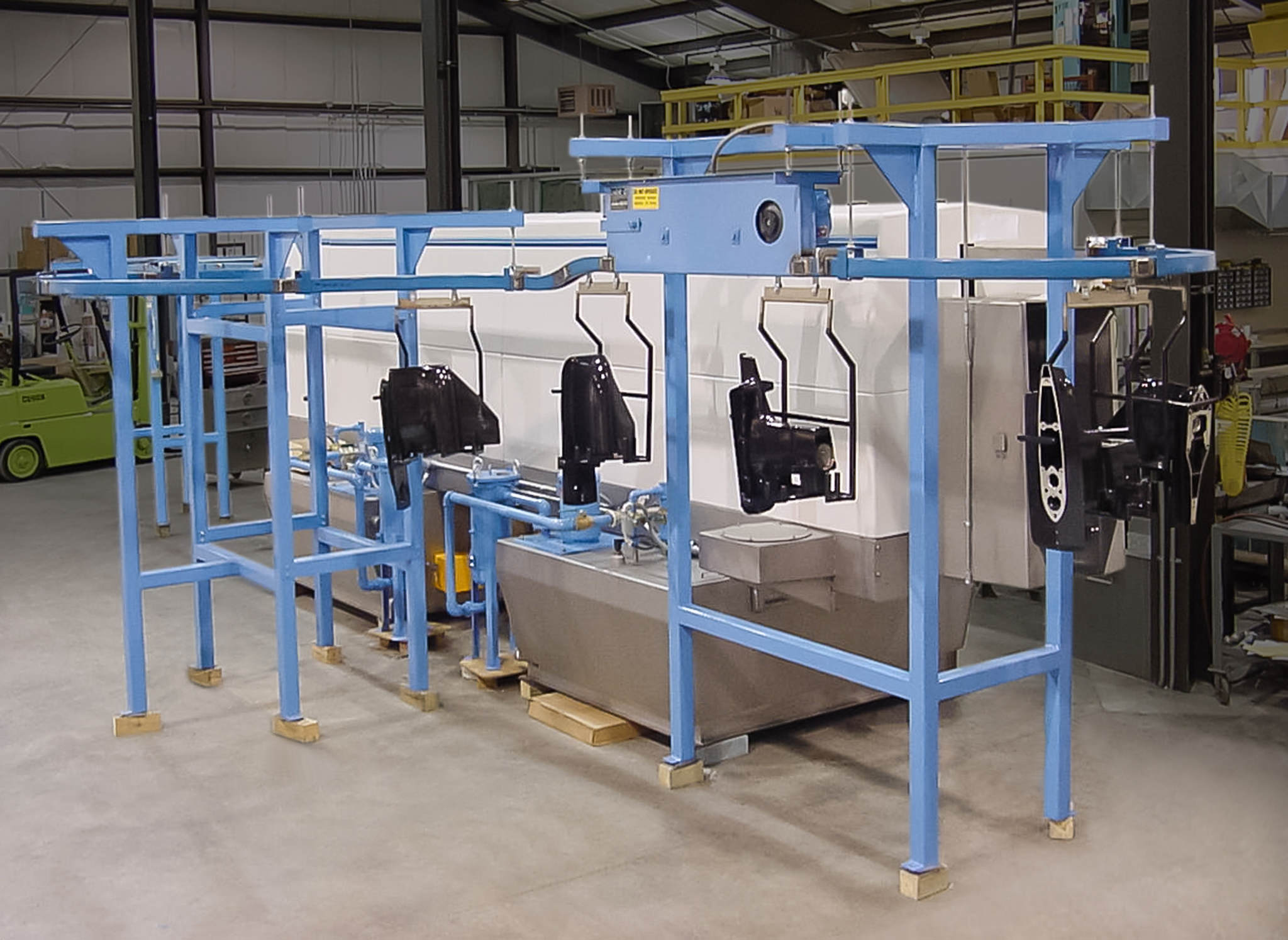
Outboard motor components can include complex castings, housings, gear cases and other parts with cavities, passages and irregular surfaces.
An outboard motor parts washer may need targeted spray coverage to reach difficult areas while also providing adequate drainage and drying. Part orientation, spray pressure, nozzle placement and conveyor speed can all affect cleaning performance.
Boat & Marine Component Cleaning
Marine component cleaning can also include stainless steel bars, shafts, housings and other manufactured components. Depending on the application, cleaning may be required before assembly, coating, finishing or inspection.
Complex geometries should be considered early in the equipment-selection process because blind holes, recesses and internal passages can trap chips, oil, cleaning solution or moisture.
Common Marine Cleaning Challenges
Marine parts may encounter several types of manufacturing and service-related contamination, including:
- Machining oils and coolants
- Grease and lubricants
- Carbon and combustion-related residue
- Metal chips and machining debris
- Salt and mineral residue
- Dust and particulate
- Forming or processing oils
The cleaning process should be matched to the actual contamination. For example, machining coolant and chips on newly manufactured aluminum castings may require a different process than heavy grease or carbon contamination found on components being remanufactured or serviced.
Material compatibility is also important. Aluminum, stainless steel, carbon steel and other materials may require different cleaning chemistry and process parameters.
Aqueous Marine Parts Cleaning
Aqueous cleaning uses water-based cleaning solutions combined with chemistry, temperature, mechanical action and process time to remove manufacturing contamination.
A marine engine cleaning machine may incorporate:
Wash → Rinse → Blowoff → Drying
The exact configuration depends on the contamination and required cleanliness.
For components with complex passages or cavities, targeted spray nozzles and compressed-air blowoff can help remove contamination and moisture from difficult-to-reach areas.
Alliance’s marine engine application demonstrates how a conveyorized aqueous parts washer can combine washing with blowoff to achieve the required cleaning result at a repeatable production rate.
Drying Marine Components
Cleaning is only part of the process. Remaining moisture can create problems when components move directly into assembly, coating, storage or other downstream operations.
Drying requirements should therefore be considered when selecting a marine parts washer.
Depending on the application, Alliance systems can incorporate:
- Ambient blowoff
- High-velocity air knives
- Heated blowoff
- Targeted compressed air
- Custom part positioning
- Multiple drying zones
Components with internal passages, recessed areas or cavities may require targeted air to remove trapped moisture.
Selecting a Marine Parts Washer
The best marine parts washer depends on the component and production requirements.
Conveyorized parts washers are well suited to repeatable, higher-volume production where parts can move continuously through defined cleaning and drying zones.
Cabinet parts washers provide flexibility for batch processing, lower production volumes and larger or irregularly shaped components.
Indexing systems can stop and position components during cleaning, allowing targeted spray coverage and drying of critical features.
Custom-engineered systems can be developed for unusually large, complex or specialized marine components.
Alliance evaluates factors such as:
- Part size and weight
- Material and surface finish
- Contamination
- Part geometry
- Required cleanliness
- Dryness requirements
- Production rate
- Material handling
- Downstream processing