Food and Beverage Parts Cleaning Equipment
Industrial Parts Washers for the Food and Beverage Processing Industries
Food and beverage manufacturers rely on clean production components, trays, containers, and handling equipment to support consistent manufacturing operations.
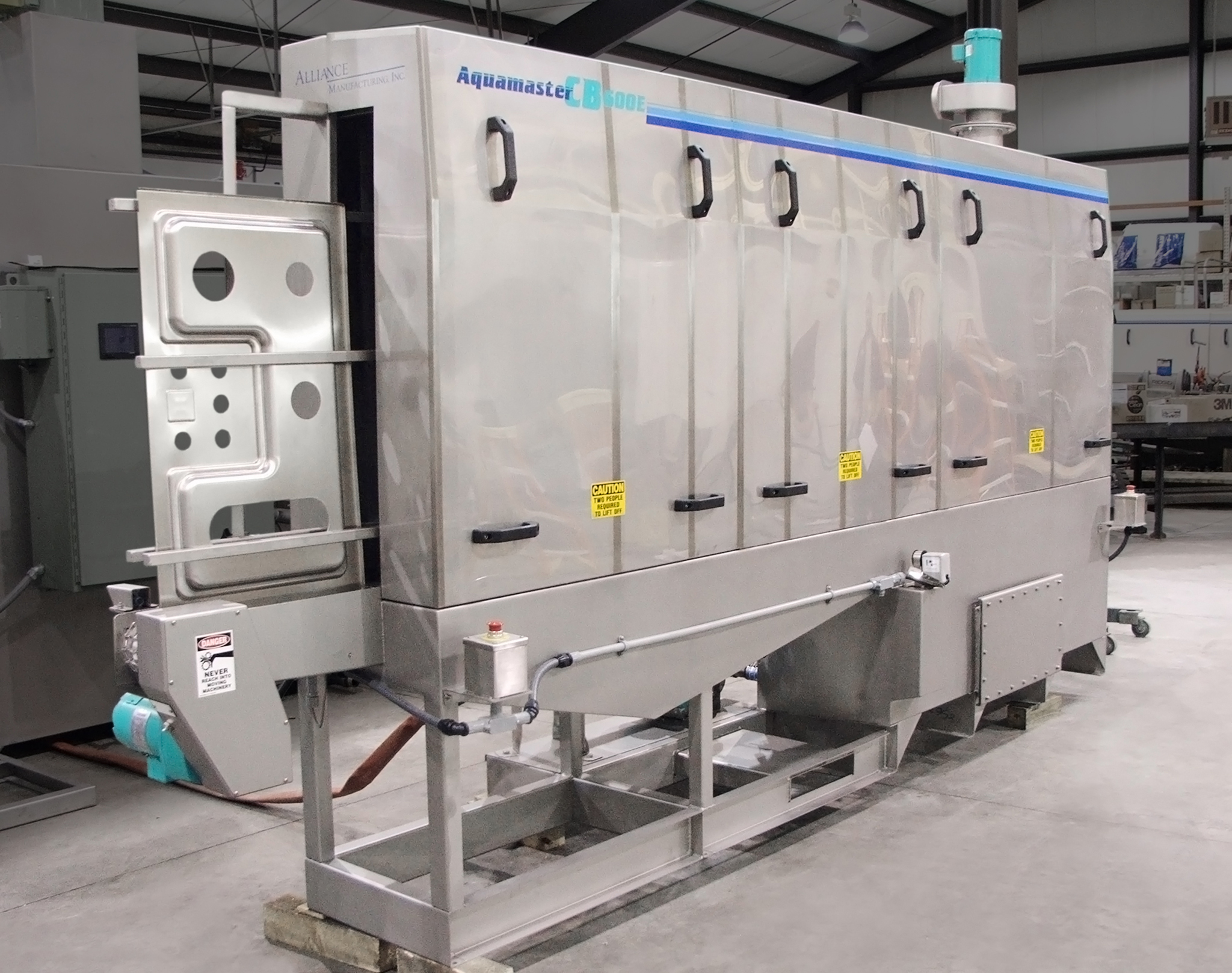
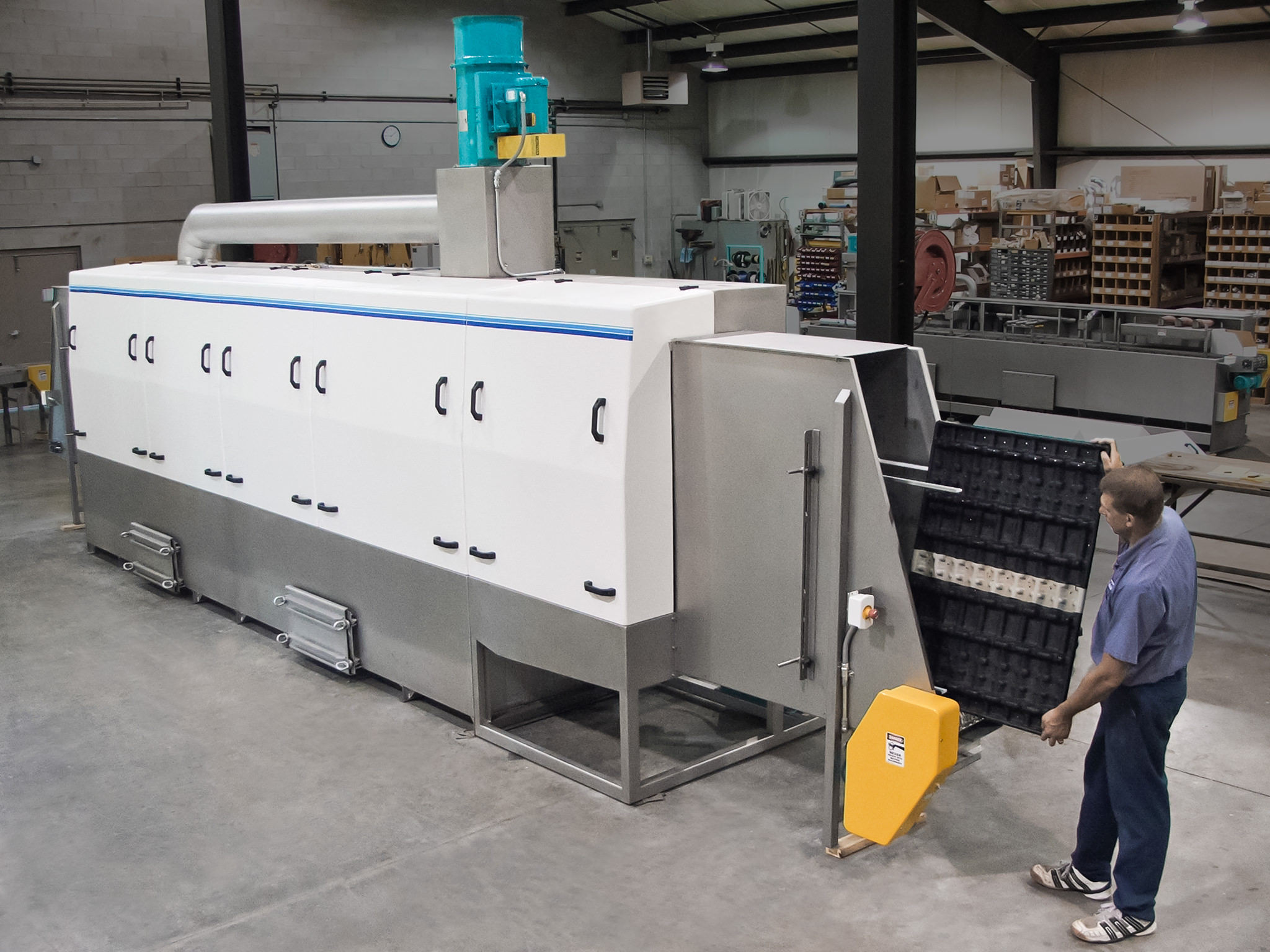
Alliance Manufacturing designs and builds industrial parts washers for food and beverage processing applications, with automated systems engineered around the item being cleaned, contamination, production rate, cleanliness requirements, and downstream process.
Applications range from stainless steel production trays and reusable pallets to beverage components and specialized food-processing equipment.
[insert slider]
Food and Beverage Items We Clean
Alliance cleaning equipment can be configured for:
- Stainless steel trays
- Food production trays
- Beverage manufacturing components
- Bottles and containers
- Reusable pallets
- Plastic totes
- Packaging components
- Production fixtures
- Processing equipment components
- Specialty food manufacturing parts
Cleaning requirements can involve food ingredient residue, oils, lubricants, chips, particulate, dirt, and other manufacturing contamination.
Automated Cleaning for Consistent Results
Manual cleaning can become difficult to manage when facilities process large numbers of reusable trays, containers, or components.
Automated cleaning establishes controlled process stages and repeatable exposure to wash, rinse, blowoff, and drying operations. Depending on the application, Alliance systems can incorporate:
- Heated aqueous washing
- Fresh-water rinsing
- Multiple rinse stages
- Customer-specified sanitizing processes
- Targeted spray manifolds
- Filtration
- Blowoff
- Heated drying
- Automated material handling
The appropriate combination depends on the product and the manufacturer’s specific process requirements.
High-Volume Food and Beverage Cleaning
Alliance can engineer conveyor and indexing systems for applications where throughput is critical.
For example, Alliance developed a conveyor indexing system for cleaning aluminum beverage-related charger bottles at a production rate of 200 bottles per minute. Specialized fixtures positioned eight bottles per row while targeted spray nozzles cleaned through small bottle openings. Multiple filtration chambers helped control contamination in the cleaning solution, followed by targeted compressed-air blowoff and heated drying.
Another application involved stainless steel trays used by a manufacturer of food ingredients. The system incorporated washing, fresh-water rinsing, a sanitizing rinse, and blowoff while positioning trays vertically to promote drainage.
Equipment Designed Around the Product
Effective cleaning starts with understanding the item rather than simply selecting a standard washer.
Alliance engineers evaluate:
- Part or container dimensions
- Material of construction
- Soil and contamination
- Required production rate
- Cleanliness criteria
- Required rinse or sanitizing stages
- Dryness requirements
- Part orientation
- Available floor space
- Material handling requirements
This approach allows the cleaning process and equipment configuration to be developed around actual production requirements.
Parts Washer Configurations
Conveyor Belt Washers
Well suited for continuous processing of trays, pallets, containers, and other products.
Conveyor Indexing Systems
Provide controlled positioning where targeted spray coverage or precise process timing is required.
Cabinet Washers
Suitable for batch processing and applications involving varying components or lower production volumes.
Custom Cleaning Systems
Available when specialized handling, multiple process stages, unusual part geometries, or customer-specific requirements cannot be addressed with a standard configuration.
Supporting Food Manufacturing Cleaning Programs
Cleaning equipment is one component of a manufacturer’s broader sanitation and food-safety program.
Food manufacturers should establish their own cleaning, sanitation, verification, and operating requirements based on the product, process, facility, and applicable regulations.
Alliance works with customers to configure equipment around those established cleaning requirements, including appropriate process stages, materials, part handling, and drying requirements.