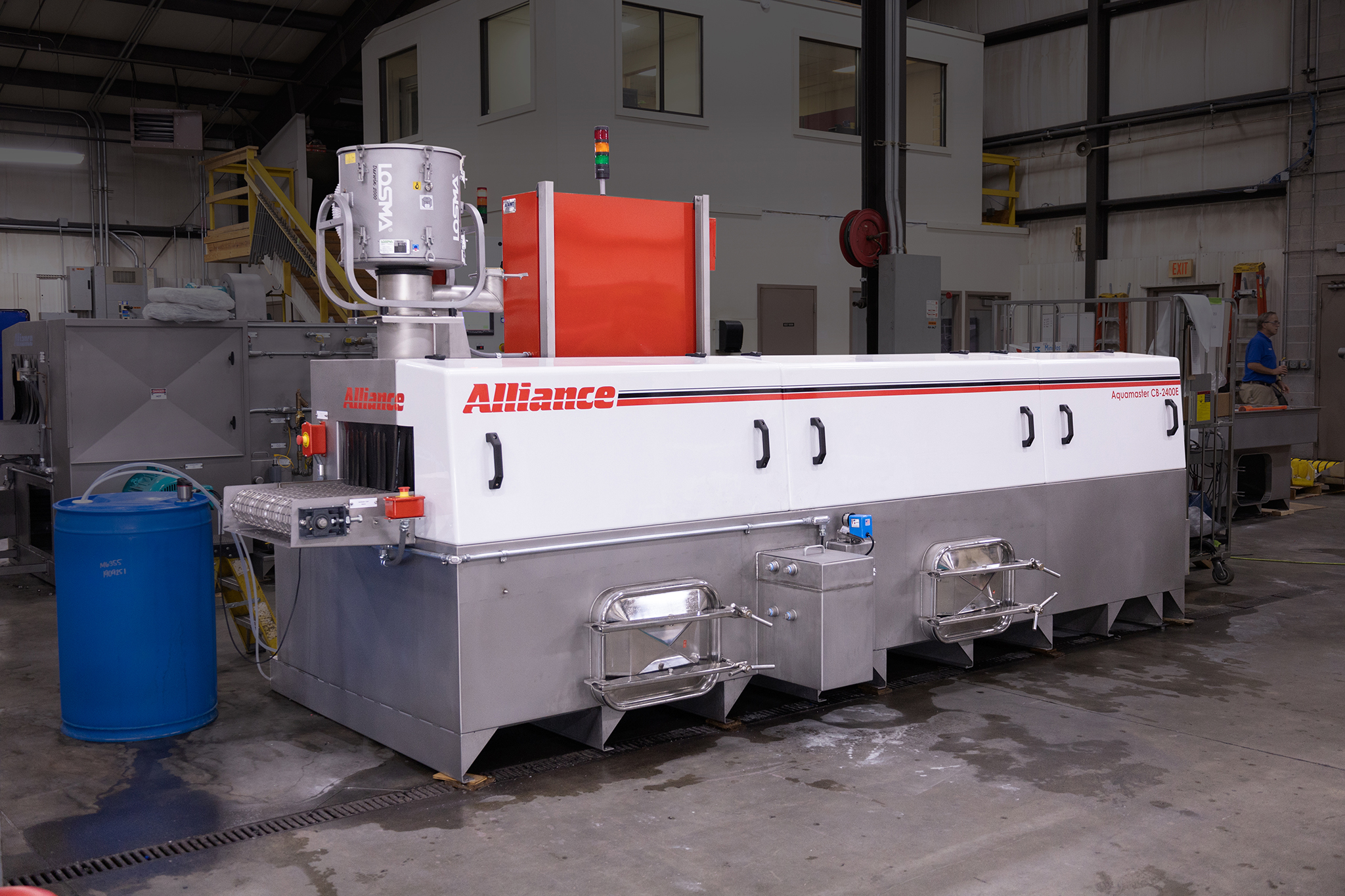
Tools and Measuring Devices Parts Cleaning
Industrial Parts Washers for the Tool and Measuring Device Industries
Manufacturing tools and measuring devices often requires precise machining, consistent surface finishing, and careful component handling. During production, parts can accumulate cutting fluids, oils, fine metal particles, and other residues that must be removed before inspection, assembly, coating, or packaging.
For manufacturers producing hand tools, measuring instruments, and precision-machined components, an effective cleaning process supports consistent production quality.
Alliance Manufacturing designs and builds precision tool parts cleaning systems for tools and measuring device applications. Our aqueous washers can be configured for different materials, part geometries, production volumes, and cleanliness requirements.
From metal hand tools to machined measuring instrument components, Alliance helps manufacturers identify practical Precision tool parts cleaning solutions for their production processes.
Why Metal Tool Cleaning Matters in Tool and Measuring Device Manufacturing
Tools and measuring devices serve different purposes, but their manufacturing processes can involve similar contamination challenges.
Machining, grinding, stamping, forming, and finishing operations may leave oils, metallic particles, or other residues on component surfaces.
These contaminants can interfere with inspection, coating, assembly, or packaging when they are not adequately removed.
A properly designed precision parts cleaning process can help manufacturers:
- Remove machining oils, lubricants, and processing residues.
- Reduce loose metal particles from manufactured components.
- Prepare surfaces for coating, finishing, or assembly.
- Maintain consistent cleaning procedures between production batches.
- Reduce unnecessary manual washing and handling.
- Support appropriate drying and corrosion prevention processes.
For precision components, the cleaning method must also protect dimensional features and sensitive surfaces.
Tools and Measuring Device Components That May Require Cleaning
Hand Tools and Metal Tool Components
Pliers, wrenches, handles, and other manufactured tool components may require cleaning after machining, forming, or surface finishing.
Removing production residues helps prepare components for subsequent operations.
Depending on the size and geometry of the parts, manufacturers may use conveyorized or batch cleaning equipment.
Measuring Squares and Machined Measuring Tools
Measuring squares, layout tools, and similar products can have machined edges, flat surfaces, and features that require careful handling.
Cleaning equipment should remove contamination without introducing unwanted surface damage.
Aluminum measuring tools also require compatible aqueous chemistry and appropriate drying conditions.
Precision-Machined Instrument Components
Components used in measuring devices may include housings, brackets, shafts, fittings, and other machined metal parts.
Cleaning requirements depend on the component’s intended use and the sensitivity of its surfaces.
When components contain recesses, small holes, or complex features, cleaning coverage and part orientation become especially important.
Manufacturing Fixtures and Tooling
Production fixtures, dies, and other tooling may accumulate oils, lubricants, and processing debris.
Cleaning these items can support inspection, maintenance, and reuse.
Larger or irregularly shaped tooling may require cabinet washing or a custom holding arrangement.
Parts Washing Systems for Precision Tool Cleaning
Alliance Manufacturing offers several types of industrial parts washers that can be evaluated for tool and measuring device manufacturing.
- Conveyorized Parts Washing Systems
Conveyor belt parts washers are suitable for consideration when manufacturers need to process components through a continuous cleaning operation.
Depending on the application, these systems can include washing, rinsing, and drying stages.
Conveyorized cleaning may be appropriate for repetitive production involving similar component sizes and handling requirements.
- Cabinet Parts Washers
Cabinet washing systems provide enclosed cleaning for individual components or batches.
These machines may be useful for tools and measuring components that require controlled positioning or are produced in smaller quantities.
Fixtures and loading arrangements can be selected to suit the parts being cleaned.
- Rotary Indexing Parts Washers
Rotary indexing systems provide controlled movement through designated cleaning stages.
They can be considered for components that require repeatable positioning or more targeted cleaning access.
The suitability of an indexing washer depends on the component geometry, production rate, and required cleaning results.
- Custom Metal Parts Cleaning Equipment
Some precision tools and measuring device components have unusual shapes, delicate surfaces, or specific cleanliness requirements.
Alliance offers custom-engineered washing systems designed around the application.
Equipment selection can account for component handling, wash coverage, rinsing, drying, and production integration.
Protecting Precision Components During Cleaning
For tools and measuring devices, removing contaminants is important, but so is preserving the condition of the workpiece.
Material and Surface Compatibility
Cleaning chemistry should be selected according to the material and finish of the component.
Aluminum, steel, stainless steel, and coated parts may respond differently to detergents and operating temperatures.
Controlled Part Handling
Unrestricted movement may not be suitable for components with finished edges or sensitive surfaces.
Baskets, fixtures, or dedicated holders can help maintain appropriate separation and positioning.
Rinsing and Drying
Residual cleaning solution or moisture may be undesirable before inspection, packaging, or assembly.
Where required, the cleaning system can incorporate rinsing and drying stages.
Cleanliness Verification
Manufacturers should establish cleanliness acceptance criteria appropriate to the component’s function.
These may involve visual inspection, residual contamination testing, or other application-specific methods.
The selected verification method should reflect actual product requirements rather than assuming every measuring device requires the same cleanliness level.
Metal Tool Cleaning Application Experience
Alliance Manufacturing has published applications involving manufactured tools and measuring products.
Together, these examples illustrate the range of tool geometries and materials that manufacturers may need to accommodate.
They also reinforce the importance of selecting cleaning equipment based on actual workpiece characteristics.
Request a Tool and Measuring Device Cleaning Solution
Manufacturers of tools and measuring devices need cleaning processes that remove production contaminants while respecting component materials and surface requirements.