If your parts washing process is leaving behind trace oils, streaking, or inconsistent dryness especially on precision or high-value components it may be time to look beyond conventional cleaning.
Vacuum degreasing has become one of the fastest-growing parts cleaning technologies in manufacturing, prized for its ability to deliver a level of cleanliness and dryness that traditional aqueous or open-top solvent systems simply can’t match. Here’s what vacuum degreasing actually is, how it works, and how to know when your application calls for it.
What Is Vacuum Degreasing?
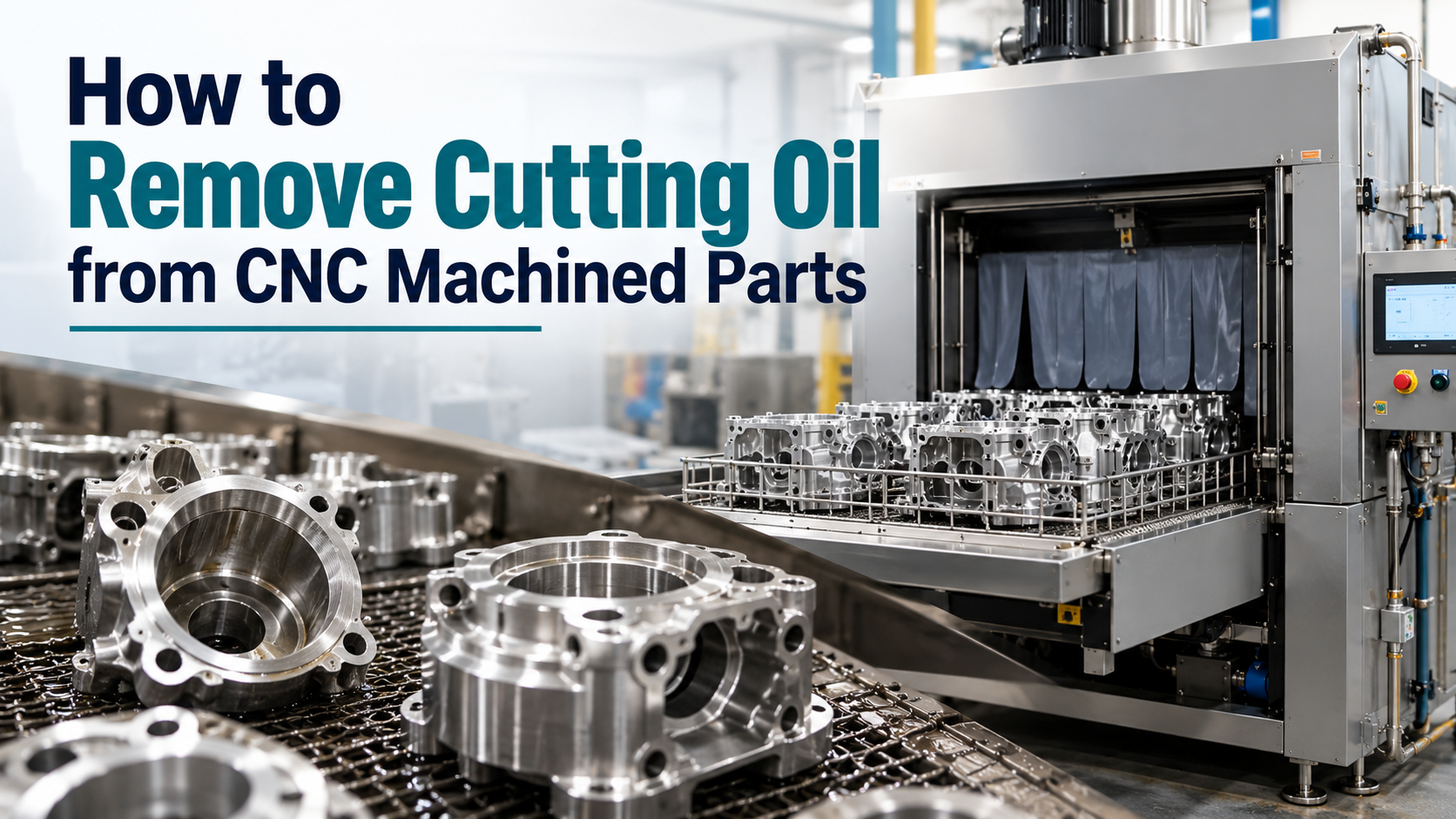
Vacuum degreasing is an industrial parts cleaning process that removes oils, coolants, chips, and other manufacturing residues from metal and plastic components inside a sealed, airtight chamber. Rather than exposing parts to open air, the vacuum degreasing machine pulls a vacuum on the chamber, allowing solvent to clean, rinse, and dry parts in a fully enclosed environment. Because the chamber only opens after vacuum drying is complete, parts come out dry, residue-free, and free of the spotting or oxidation risk that can come with aqueous washing or open-top solvent degreasing.
This closed-loop vacuum degreasing design is what separates vacuum degreasing from older vapor degreasing methods. Solvent is continuously distilled and recycled within the system, so very little is lost to evaporation or drag-out. That translates directly into lower chemical consumption, reduced emissions, and a safer working environment for operators, who are never directly exposed to solvent vapors during the cycle.
How the Vacuum Degreasing Process Works
A typical vacuum degreasing cycle includes several automated stages:
- Loading: Parts are loaded into a sealed processing chamber, often in baskets or fixtures.
- Wash and secondary wash: Solvent is introduced to dissolve and remove oils, coolant residue, and particulate soils.
- Rust inhibition (optional): A protective step for ferrous parts that will sit before the next production stage.
- Vacuum drying: The chamber pressure is reduced, causing any remaining solvent to evaporate quickly and completely without leaving residue.
Because the entire cycle runs under vacuum, cleaning and drying parameters can be precisely programmed and repeated, giving manufacturers consistent, documented cleanliness results run after run a critical requirement in regulated industries.
When Do You Need Vacuum Degreasing?
Not every cleaning application requires vacuum technology. But for certain parts, processes, and industries, it’s the only method that reliably meets the standard required. Consider vacuum degreasing when:
- Cleanliness specifications are strict. Aerospace, medical device, and defense components often carry tight ionic and particulate cleanliness requirements that aqueous washing struggles to consistently achieve.
- Parts have complex geometries. Blind holes, threaded bores, and tight tolerances on precision-machined, turned, or screw-machined parts trap oils and coolants that vacuum-assisted solvent penetration removes more effectively than spray or immersion washing.
- Total dryness matters. Hydraulic components, micromechanical parts, and assemblies headed straight into further finishing or assembly can’t tolerate residual moisture or solvent film.
- You’re phasing out legacy solvents. With increasing regulatory scrutiny on solvents like TCE and PCE, manufacturers are moving to closed-loop vacuum systems that support safer, VOC-compliant alternatives.
- Sustainability and cost control are priorities. Because solvent is recycled in a closed loop rather than lost to evaporation, vacuum degreasing significantly cuts long-term chemical purchasing and disposal costs compared with open-top systems.
Industries that rely heavily on vacuum degreasing include aerospace, automotive, medical device manufacturing, precision machining, and hydraulic component production anywhere parts cleanliness has a direct impact on performance, safety, or downstream assembly quality.
Why Solvent Choice Matters
Not all vacuum degreasing systems use the same chemistry, and the solvent selected affects both cleaning performance and environmental impact. Modified alcohols and aliphatic hydrocarbons are common choices for fully vacuum-based systems, while some machines are configured for chlorinated solvents such as perchloroethylene.
Increasingly, manufacturers are moving toward next-generation, non-VOC solvents with a low Global Warming Potential giving them strong cleaning performance without the regulatory and environmental liabilities of older chemistries.
Alliance Manufacturing’s Vacuum Degreasing Solutions
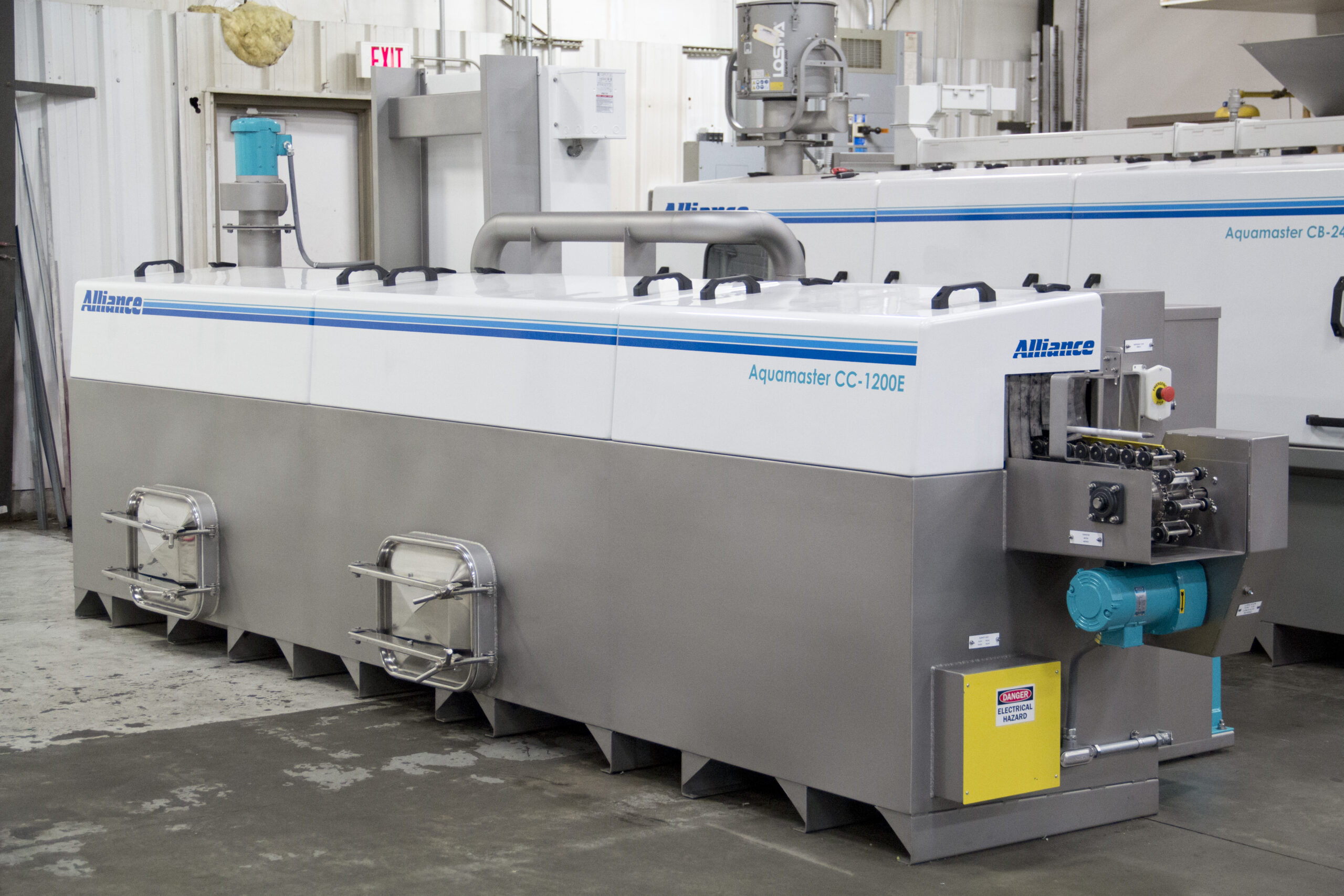
Alliance Manufacturing, Inc., an industrial parts washer manufacturer based in Fond du Lac, Wisconsin since 1994, is the exclusive U.S. distributor of ILSA vacuum degreasing systems, bringing decades of European engineering expertise to North American manufacturers.
Alliance offers the ILSA IK Series and IK EVO for modified alcohol and aliphatic hydrocarbon solvents, along with the IPK Series for chlorinated solvents, with configurations available for Honeywell Solstice a non-VOC, NASA-approved solvent with a Global Warming Potential of less than one.
Each system can be custom configured for specific part geometries, soils, and throughput requirements, and prospective customers can see the equipment firsthand through in-house demonstration and testing at Alliance’s facility.
Making the Right Cleaning Decision
Vacuum degreasing isn’t the right fit for every application, but when cleanliness specs are strict, part geometries are complex, or legacy solvents need replacing, it delivers a level of consistency, dryness, and environmental performance that’s difficult to achieve any other way. The best next step is to evaluate your parts, soils, and cleanliness requirements against your current process if traditional washing is falling short, vacuum degreasing may be the upgrade that finally closes the gap.