Environmental, Social, and Governance (ESG) commitments have moved from marketing language to operational requirement. Customers, investors, and regulators increasingly expect manufacturers to show measurable progress on emissions, hazardous waste, and worker safety and one of the most overlooked places to make that progress is the parts cleaning process. Aqueous cleaning sustainability is quickly becoming a defining topic in manufacturing circles, as VOC-free parts cleaning offers a practical, proven way to advance sustainability goals without sacrificing cleaning performance. Here’s how it works, and what the aqueous cleaning ESG benefits actually look like in practice.
What Drives Aqueous Cleaning Sustainability
Traditional solvent-based degreasing relies on chemicals that generate VOC emissions, require careful handling, and create hazardous waste streams that are costly and complex to manage. VOC-free parts cleaning replaces those solvents with water-based cleaning agents and mild detergents, applied through methods like spray impingement, immersion, or ultrasonic agitation. The result is a cleaning process that dramatically reduces or eliminates the use of hazardous chemicals while still meeting demanding cleanliness specifications across industries like automotive, aerospace, and medical device manufacturing.
This shift matters directly for ESG reporting. Environmental regulations around solvent emissions and hazardous waste disposal continue to tighten, and moving toward VOC-free parts cleaning helps manufacturers avoid both the compliance risk and the environmental impact associated with legacy solvent chemistries.
The Environmental Pillar: Measurable ESG Benefits
Aqueous cleaning sustainability contributes to several environmental metrics manufacturers are increasingly expected to track and report:
- Reduced hazardous waste generation. Eliminating solvent-based degreasing significantly cuts the volume of hazardous waste requiring special handling and disposal.
- Zero VOC emissions at the source. VOC-free parts cleaning doesn’t off-gas the volatile organic compounds associated with solvent cleaning, improving both outdoor emissions and indoor air quality for workers.
- Water reuse and filtration. Many modern systems are engineered with filtration and recycling capability that extends bath life and minimizes water consumption a direct, measurable sustainability metric.
- Energy efficiency. Newer cleaning equipment incorporates more efficient heating, pumping, and drying technology, reducing the energy footprint of the process itself.
- Equipment longevity. Extending the service life of cleaning equipment through maintenance and refurbishment rather than replacing it reduces the manufacturing waste and embodied carbon associated with producing new machines.
Together, these factors give sustainability and operations teams concrete, quantifiable data points to include in ESG disclosures, rather than vague claims about “green” practices.
The Social and Governance Side of Aqueous Cleaning ESG Benefits
ESG isn’t only about environmental impact. Aqueous cleaning sustainability also supports the “S” and “G” pillars of ESG frameworks. Removing hazardous solvents from the shop floor through VOC-free parts cleaning reduces worker exposure to toxic fumes and flammable chemicals, directly improving workplace safety a core social responsibility metric that matters to employees, insurers, and safety regulators alike. On the governance side, documented, auditable cleaning processes and reduced regulatory exposure make it easier for manufacturers to demonstrate compliance during audits, customer supplier assessments, and ESG reporting cycles.
Why This Matters for Manufacturers Right Now
Sustainability commitments are increasingly showing up as a condition of doing business, not just a public relations initiative. OEMs and Tier 1 suppliers across automotive, aerospace, and industrial sectors are asking their supply chains to document environmental practices, and parts cleaning a process every manufacturer performs is a visible, quantifiable place to show real progress. Manufacturers who move toward VOC-free parts cleaning aren’t just reducing risk; they’re building a credible sustainability story backed by operational data.
Alliance Manufacturing’s Approach to Sustainable Cleaning
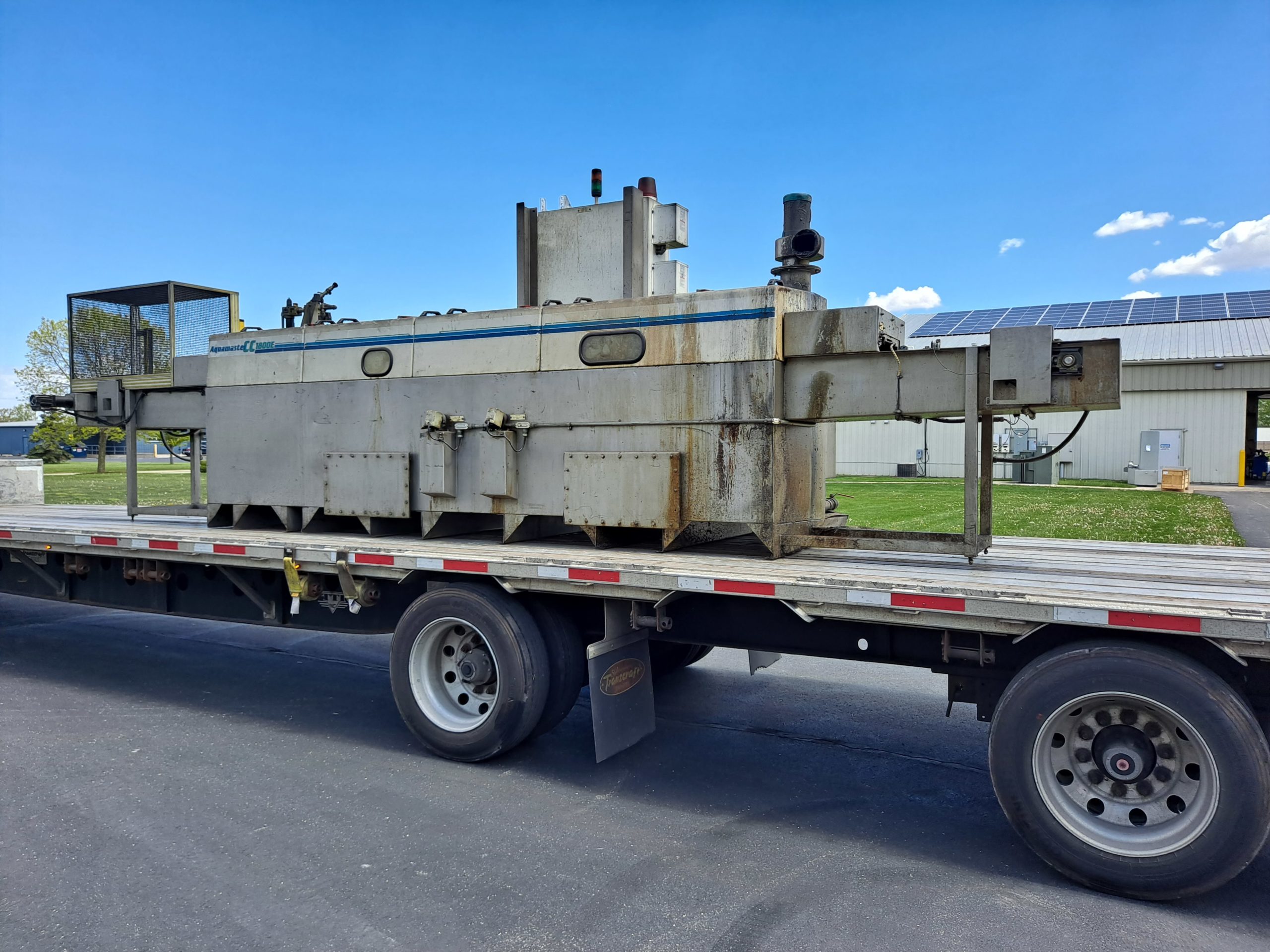
Alliance Manufacturing, an industrial parts washer manufacturer based in Fond du Lac, Wisconsin since 1994, has built its business around water-based aqueous cleaning as an alternative to solvent-based methods. The company’s equipment is engineered to reduce or eliminate hazardous solvent use, with many systems optimized for water reuse, energy efficiency, and waste reduction. Alliance’s own production facility is powered in part by solar energy, reflecting the same sustainability principles built into its equipment. The company also extends equipment life through its R3 (Reuse, Rebuild, Recondition) program, refurbishing used parts washers some of which remain in field operation for more than 25 years rather than sending them to landfill, further reducing manufacturing waste across the industry. Alliance serves OEM and Tier 1 suppliers across automotive, aerospace, medical, alternative energy, and general manufacturing sectors where both cleanliness specifications and sustainability expectations continue to rise.
Making VOC-Free Parts Cleaning Part of Your ESG Strategy
As ESG expectations continue to shape purchasing decisions and supplier requirements, the parts cleaning process is an underused opportunity to make measurable, defensible sustainability progress. Aqueous cleaning sustainability delivers on that opportunity: it reduces hazardous waste and emissions, improves worker safety, and gives manufacturers concrete data to support ESG reporting all while maintaining the cleaning performance production lines depend on. For manufacturers evaluating their next equipment investment, the aqueous cleaning ESG benefits extend well beyond the shop floor. Choosing VOC-free parts cleaning isn’t just a cleaning decision. It’s a sustainability decision with data behind it.