Industrial Container Washing System and Dunnage Washers
Industrial Parts Washers for the Dunnage and Container Industry
Clean dunnage plays an important role in maintaining part cleanliness throughout manufacturing and material handling. Placing a cleaned component into a contaminated tray, tote, pallet, or container can reintroduce dirt, chips, oil, and other debris.
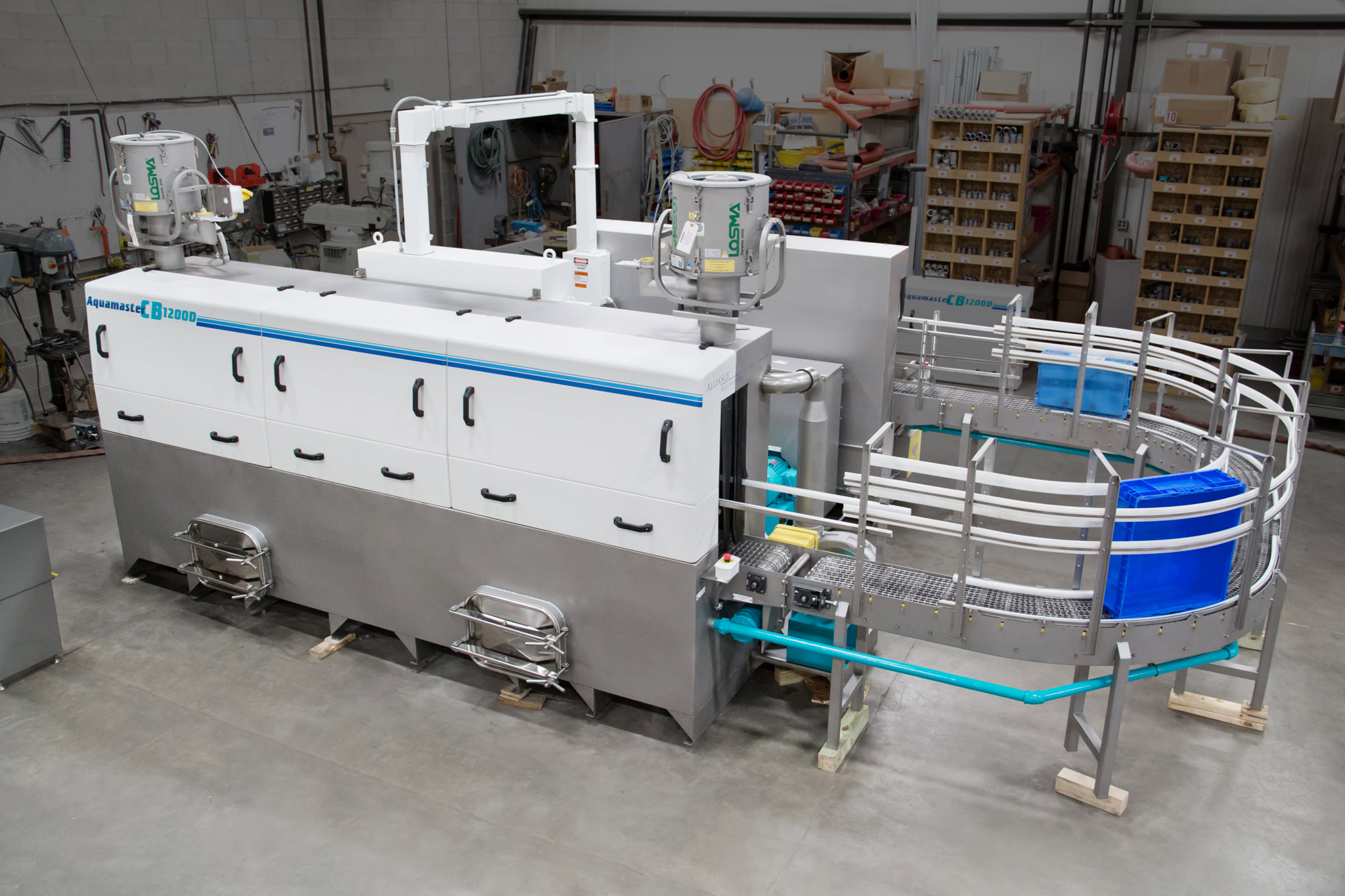
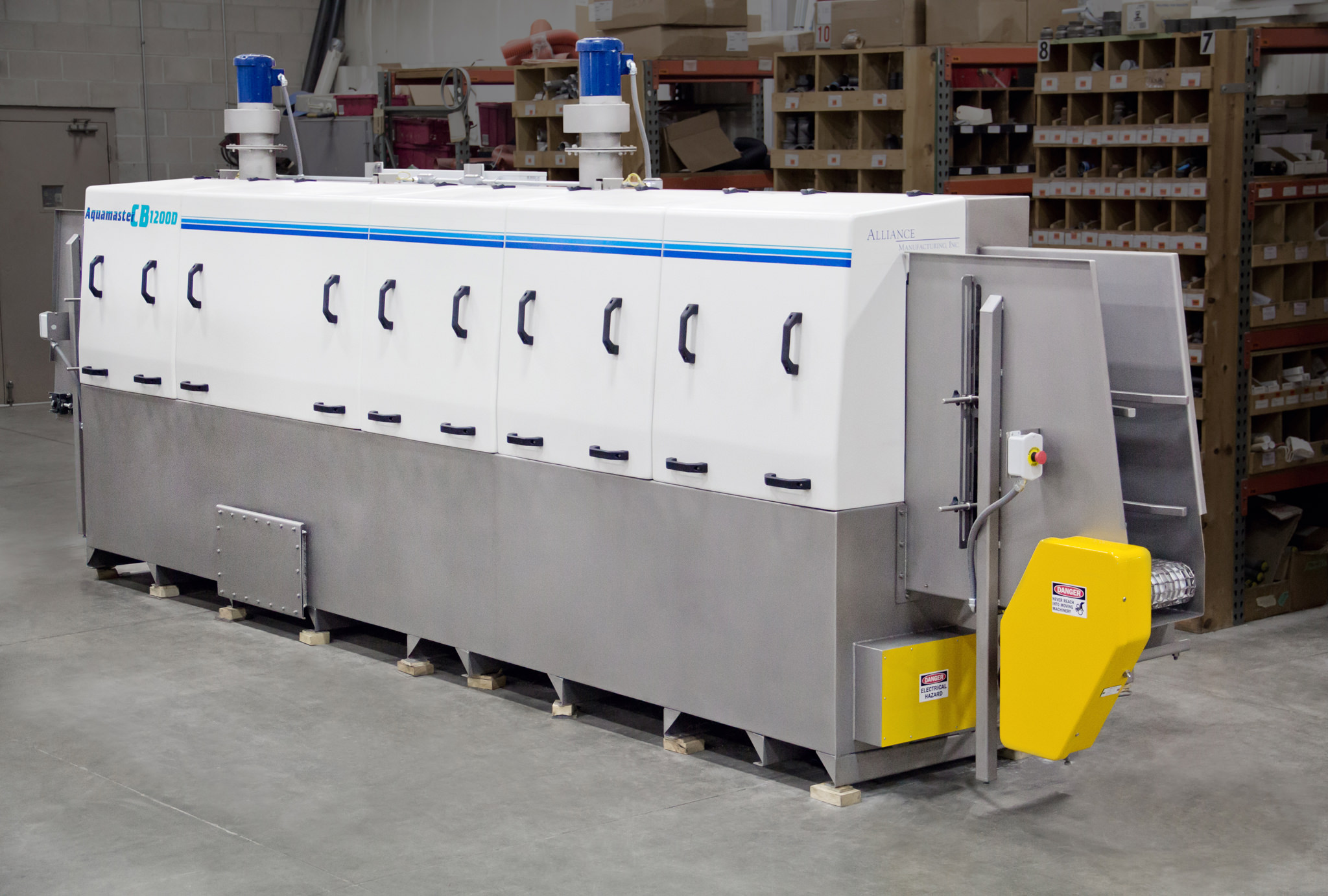
Alliance Manufacturing designs and builds dunnage washers for reusable containers, totes, trays, pallets, and other material-handling products.
Systems can be engineered for varying product sizes, high production volumes, multiple lanes, tall-profile products, and integration into existing material-handling operations.


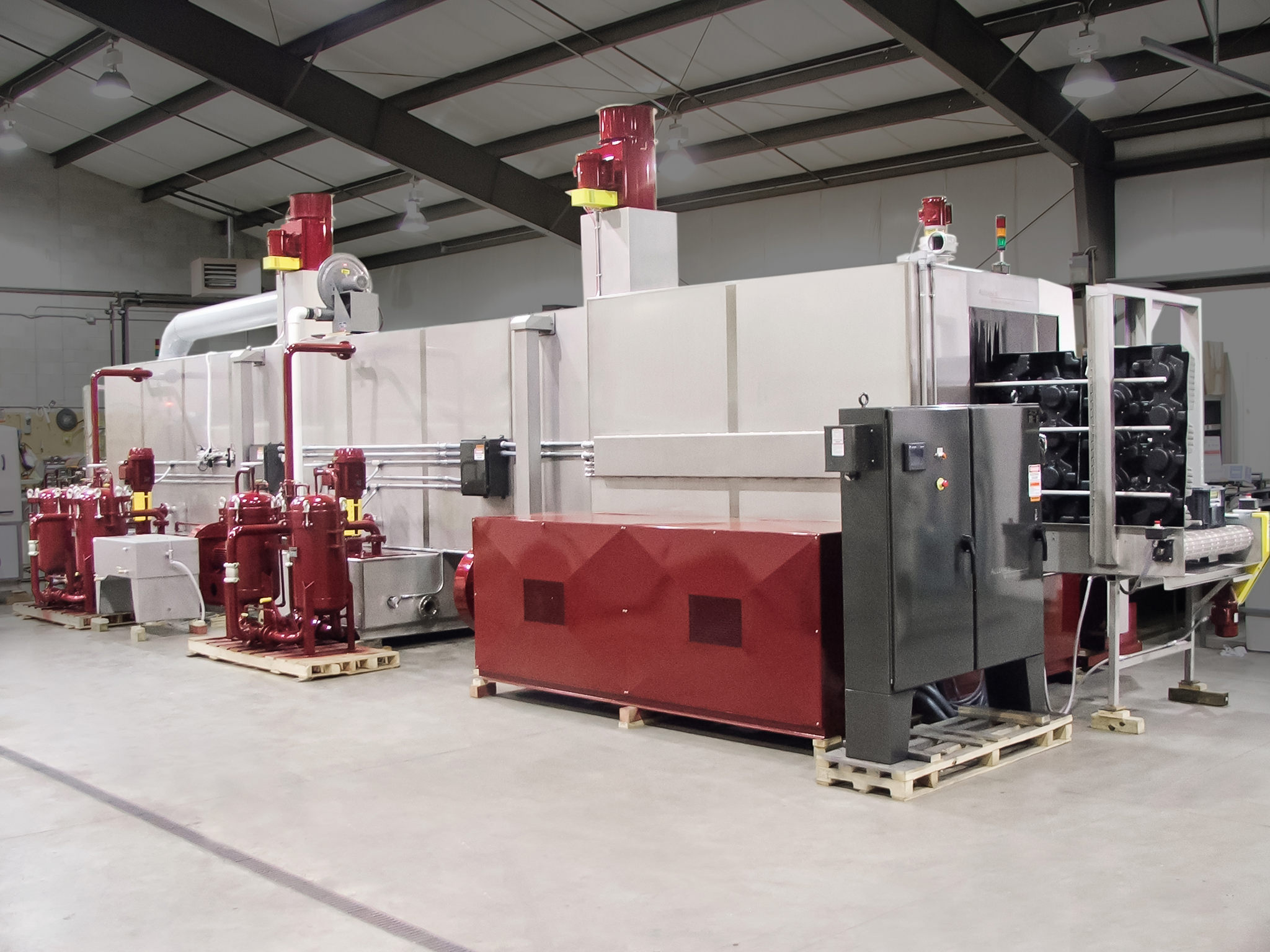


What Can a Dunnage Washer Clean?
Alliance dunnage and container washing systems can process:
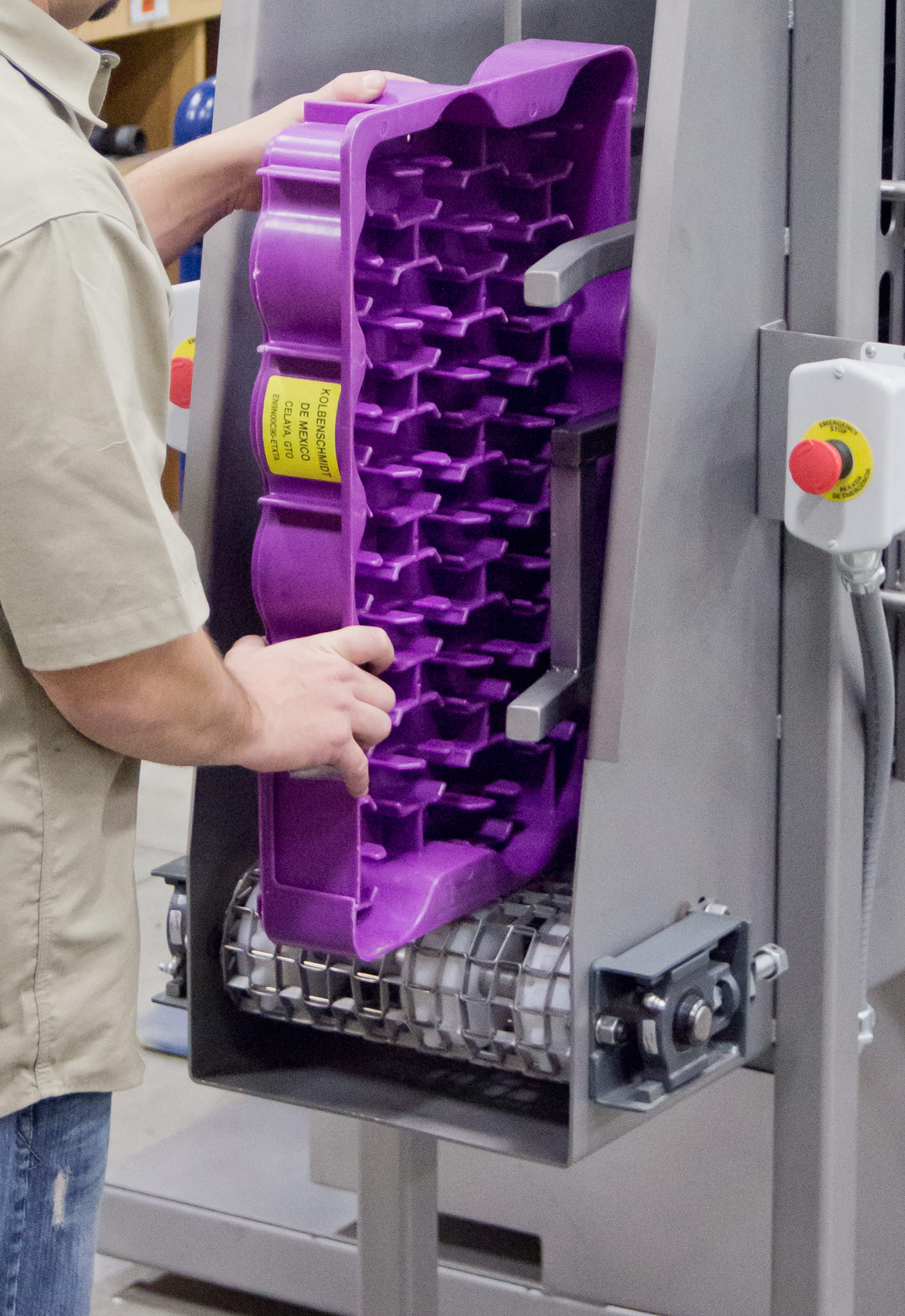
- Plastic totes
- Reusable containers
- Vacuum-formed trays
- Plastic pallets
- Dunnage trays
- Lids and covers
- Shipping containers
- Parts-handling trays
- Skids
- Packaging components
Typical contamination includes dirt, dust, metal chips, oils, coolants, manufacturing debris, and other soils accumulated while products move through manufacturing, storage, and transportation.
Why Clean Reusable Dunnage?
Manufacturers increasingly control contamination throughout the entire production process rather than focusing exclusively on the component itself.
A clean part can become contaminated again when it is returned to a dirty tote or tray. Cleaning reusable dunnage can therefore help protect component cleanliness between manufacturing operations, during storage, and while products are transported to customers.
Automating the process also reduces reliance on manual washing when large quantities of reusable packaging must be processed consistently.
Dunnage Washer Configurations
Alliance can configure dunnage washing systems around the products and production flow.
Single- and Multi-Lane Washers
Multiple lanes can allow different trays or containers to be processed simultaneously while making efficient use of conveyor width and production capacity.
Tall-Profile Dunnage Washers
Special conveyor and guide configurations can accommodate tall totes, pallets, and containers that require additional clearance and support.
Return Conveyor Systems
A 180-degree return conveyor can return cleaned products toward the loading area, allowing loading and unloading operations to occur from the same general side of the system.
Entrance and Exit Conveyors
Powered or manual conveyor sections can be incorporated to support product accumulation, operator loading, unloading, and integration with surrounding equipment.
Multi-Stage Cleaning and Drying
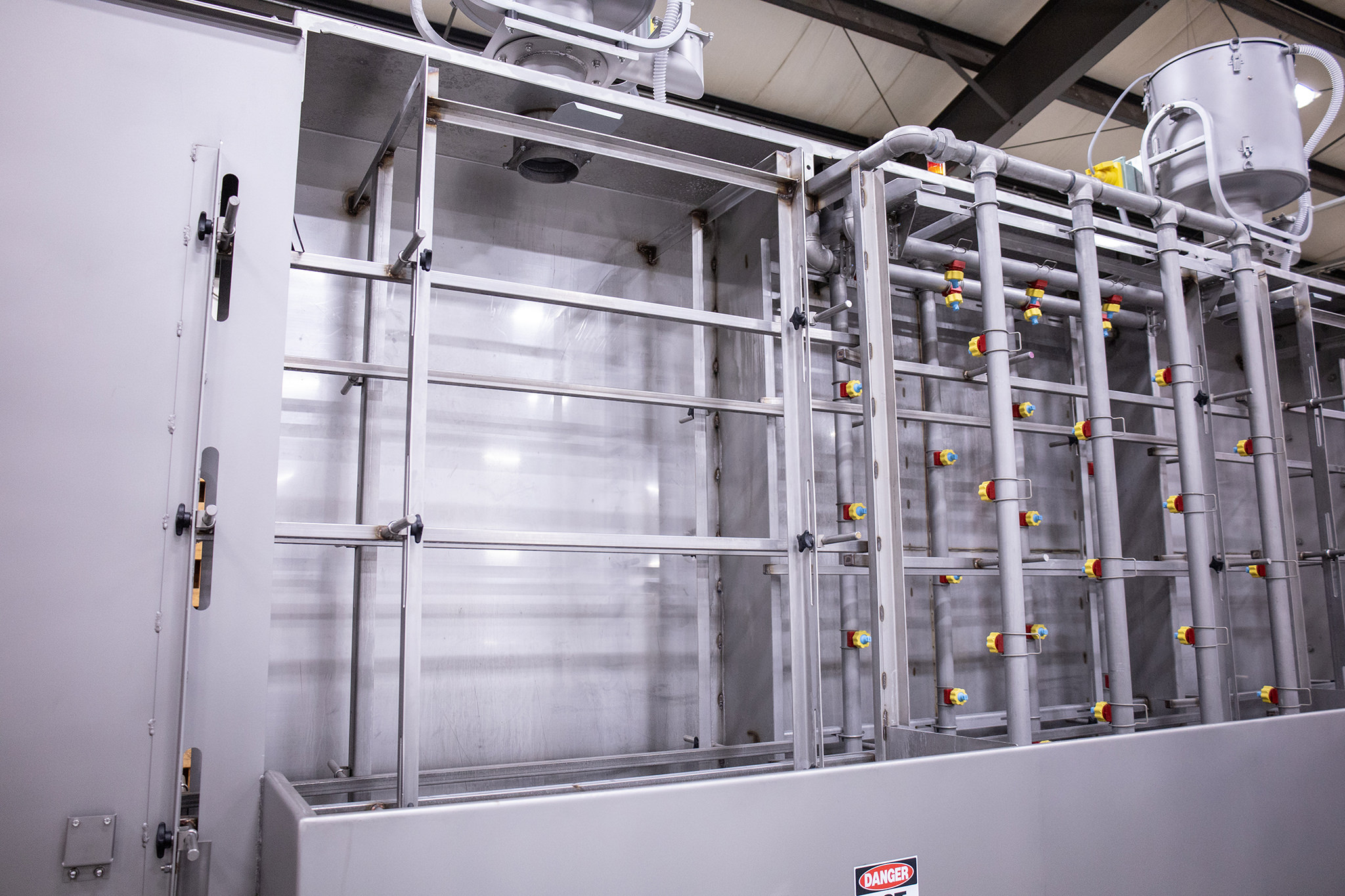
Depending on the application, a dunnage cleaning system can incorporate:
- Heated aqueous washing
- Rinsing
- Intermediate blowoff
- Final blowoff
- Heated drying
- Filtration
- Oil removal
- Chemical injection
- Mist collection
Drying requirements are especially important with totes and trays because recessed areas, ribs, pockets, and complex shapes can retain water.
Alliance evaluates product geometry and required dryness when determining blowoff configuration and drying requirements.
Engineered Around Product Size and Throughput
Dunnage applications can vary significantly. One facility may need to clean a single standardized tray, while another may process multiple pallet and container configurations.
Alliance evaluates factors including:
- Product dimensions
- Product orientation
- Contamination
- Cleanliness requirement
- Production rate
- Number of product styles
- Required dryness
- Loading and unloading method
- Available floor space
- Integration with existing conveyors
This information helps determine conveyor width, lane configuration, spray coverage, wash stages, drying capacity, and material-handling requirements.
Proven Dunnage Cleaning Applications
Alliance has engineered systems for manufacturers and logistics operations that need to clean reusable packaging before it returns to production.
In one application, an Aquamaster conveyor system was designed to clean plastic pallets contaminated with dirt, dust, chips, and oils at approximately 30 pallets per hour. The system incorporated washing, blowoff, filtration, chemical injection, and oil removal.
In another application, Alliance developed a dual-lane system capable of processing different reusable totes and trays simultaneously. The system incorporated wash, intermediate blowoff, rinse, additional blowoff, and heated blowoff stages.
Find the Right Dunnage Washer
The appropriate system depends on much more than container dimensions. Production rate, contamination, cleanliness requirements, product geometry, drying expectations, and facility layout should all be considered.
Alliance can evaluate sample products and contamination to help establish an appropriate cleaning process before the final system configuration is selected.
Need to Automate Your Dunnage Cleaning Process?
Send us your tote, tray, pallet, or container dimensions, production rate, contamination, cleanliness, and drying requirements. Our engineering team will help determine the right cleaning system.